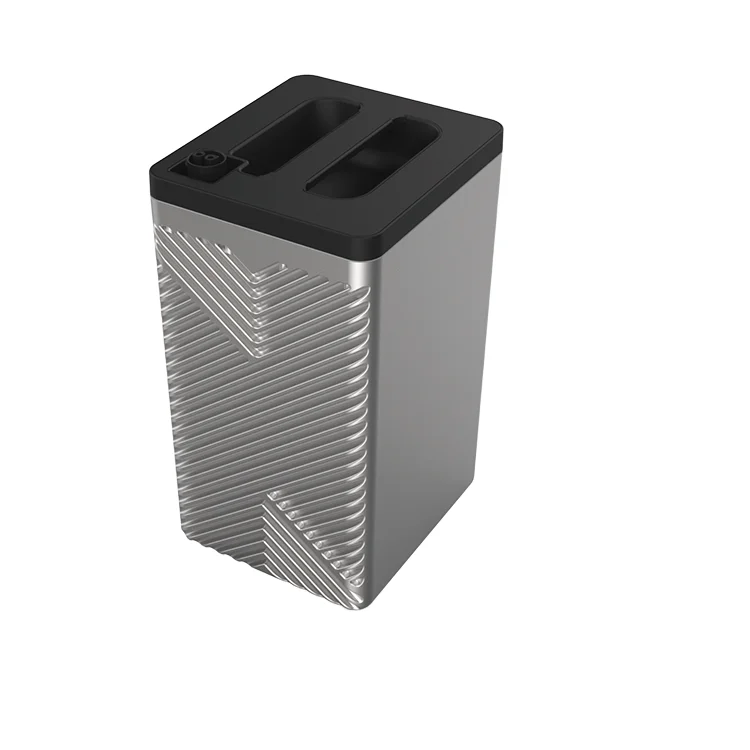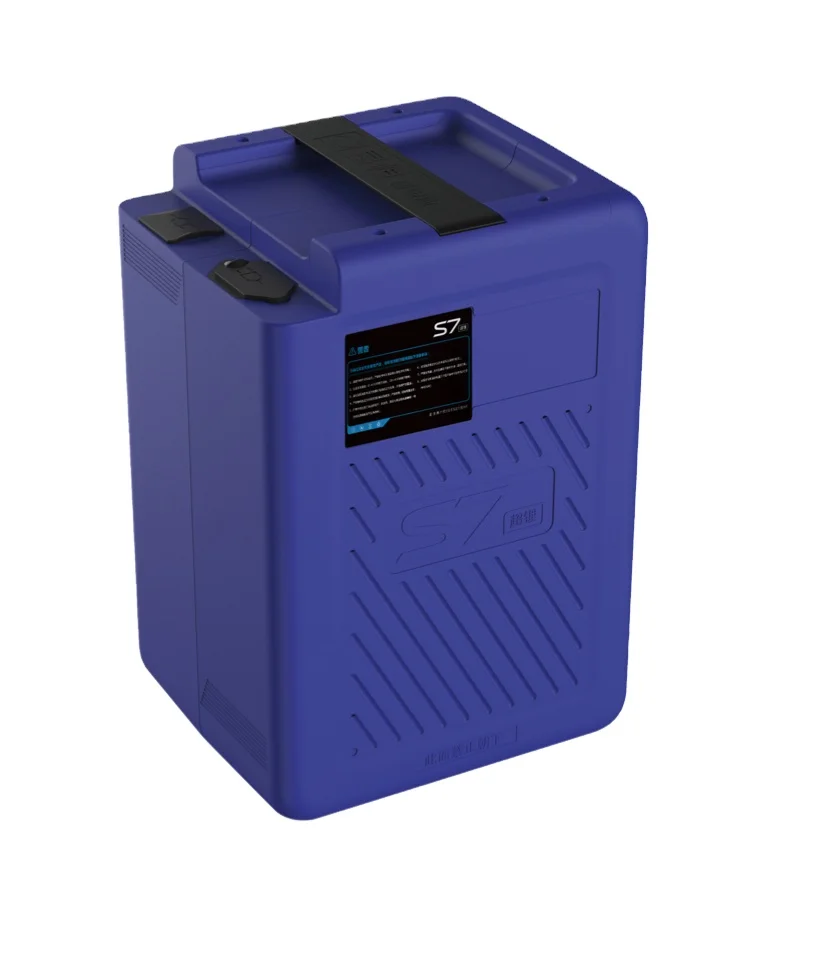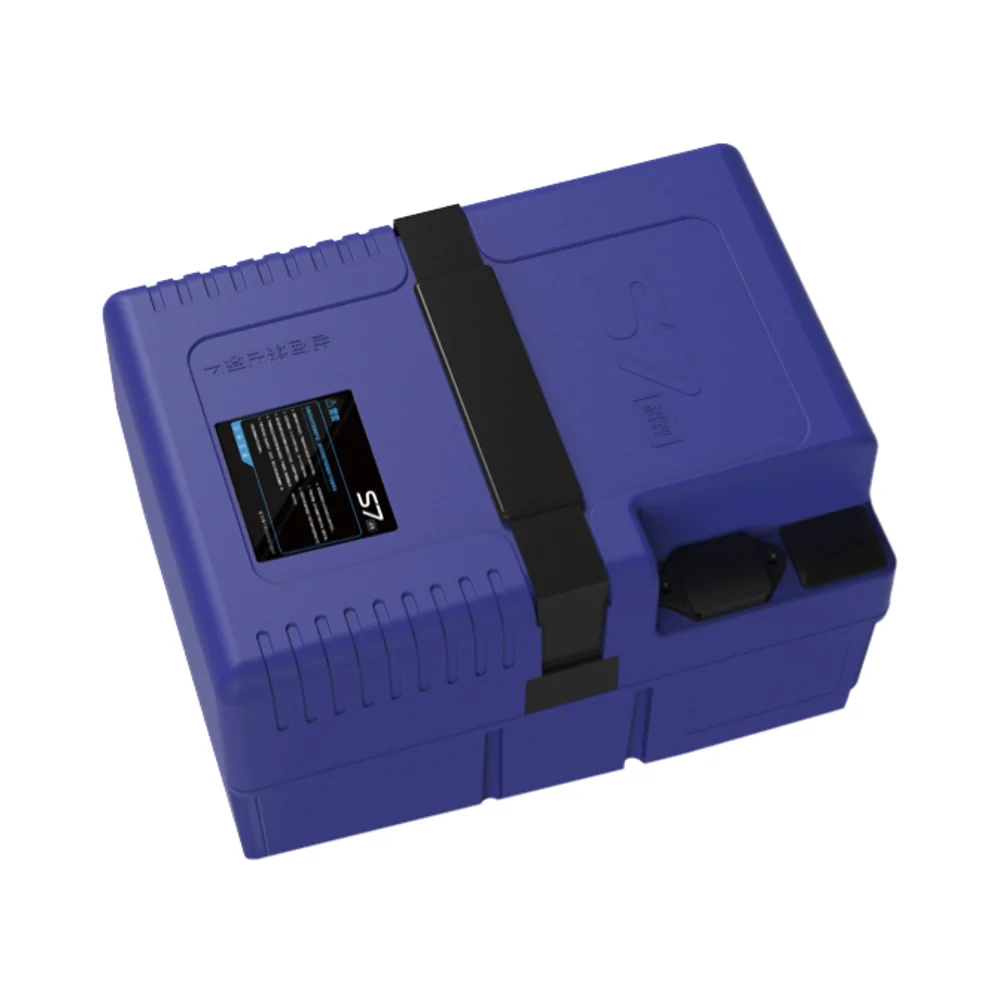
The automotive industry is witnessing a transformative shift as battery swap systems emerge as a game-changing solution for electric vehicles (EVs). This innovative approach to EV charging is reshaping how we think about electric vehicle efficiency, convenience, and overall performance. By enabling drivers to exchange depleted batteries for fully charged ones in minutes, battery swap systems are addressing some of the most significant barriers to widespread EV adoption.
Modern battery swap systems represent a sophisticated blend of robotics, artificial intelligence, and precision engineering. These automated stations can complete a battery exchange in less time than it takes to fill up a conventional gas tank, revolutionizing the way we think about EV charging infrastructure. As we delve deeper into this technology, we'll explore how these systems are fundamentally changing the landscape of electric mobility.
At the heart of every battery swap system lies a sophisticated automated exchange mechanism. These robotic systems are designed with multiple sensors and precision controls to safely remove and replace EV batteries. The process begins with exact vehicle positioning, followed by automated unlocking of the battery compartment. Advanced robotics then carefully extract the depleted battery and insert a fully charged replacement, all while maintaining perfect alignment and connection integrity.
The engineering behind these mechanisms must account for various vehicle models and battery configurations, ensuring universal compatibility within specific platforms. This standardization is crucial for the widespread adoption of battery swap technology and requires extensive collaboration between automakers and system developers.
The intelligence of a battery swap system extends beyond the physical exchange mechanism. Smart management systems monitor the health, charge level, and performance history of every battery in the network. This data-driven approach enables predictive maintenance, optimal battery rotation, and efficient energy distribution across the entire system.
Advanced algorithms ensure that batteries are maintained at ideal temperature and charge levels, maximizing their lifespan and performance. The system also tracks usage patterns to predict demand and automatically redistributes batteries across different stations as needed, ensuring consistent availability for all users.
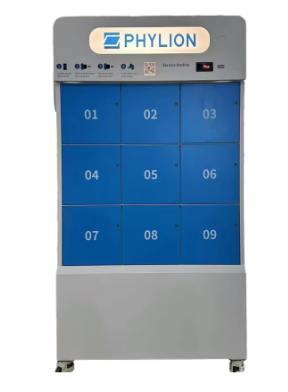
One of the most significant advantages of battery swap systems is the dramatic reduction in vehicle downtime. Traditional charging methods can take hours, but a battery swap can be completed in under five minutes. This efficiency is particularly valuable for commercial fleets, ride-sharing services, and delivery operations where vehicle availability directly impacts business performance.
The quick turnaround time also means that EVs can maintain higher utilization rates, making them more economically viable for commercial applications. Fleet operators can maximize their return on investment while minimizing the number of vehicles needed to maintain continuous service.
Battery swap systems effectively eliminate range anxiety by providing instant access to fully charged batteries. This capability enables EVs to undertake longer journeys without lengthy charging stops, matching or exceeding the convenience of traditional fuel vehicles. The system's flexibility allows drivers to quickly swap batteries before they're fully depleted, maintaining optimal performance throughout their journey.
Additionally, the ability to quickly exchange batteries means that vehicles can operate with smaller, lighter battery packs without compromising range. This reduction in vehicle weight contributes to improved energy efficiency and performance, creating a positive feedback loop of benefits.
Battery swap systems play a crucial role in promoting sustainable energy use. These facilities can act as distributed energy storage networks, charging batteries during off-peak hours and helping to balance grid loads. This capability makes them valuable assets for integrating renewable energy sources, as they can store excess solar or wind power for later use.
The centralized charging approach also allows for more efficient energy management and the implementation of smart charging strategies. By optimizing charging times and patterns, battery swap networks can significantly reduce their environmental footprint while supporting grid stability.
The economic benefits of battery swap systems extend beyond operational efficiency. By centralizing battery management and maintenance, these systems can achieve economies of scale that reduce overall costs. The ability to charge multiple batteries simultaneously during off-peak hours helps minimize electricity costs, while standardized maintenance procedures extend battery life and reduce replacement expenses.
Furthermore, the subscription-based models often associated with battery swap services can make EVs more accessible by reducing initial vehicle costs and spreading battery expenses over time. This approach helps accelerate EV adoption while ensuring sustainable business operations.
The battery swap system technology continues to evolve rapidly. Upcoming innovations include even faster exchange mechanisms, enhanced battery diagnostics, and improved cross-platform compatibility. Artificial intelligence and machine learning are being integrated to optimize battery rotation, predict maintenance needs, and enhance overall system efficiency.
Research is also focused on developing more durable batteries specifically designed for swap systems, with improved cycle life and faster charging capabilities. These advancements will further reduce operational costs and improve service reliability.
As the technology matures, we're seeing increased efforts toward standardization across the industry. Major automotive manufacturers are collaborating to develop common battery specifications and swap protocols, which will be crucial for widespread adoption. This standardization is expected to accelerate market growth and make battery swap systems more accessible to a broader range of vehicle models.
The expansion of battery swap networks is gaining momentum globally, with particular growth in urban areas and along major transportation corridors. This infrastructure development is creating new opportunities for both vehicle manufacturers and service providers.
A complete battery swap using modern automated systems typically takes between 3 to 5 minutes. This includes the time needed for vehicle positioning, battery exchange, and system verification, making it comparable to or faster than traditional gas refueling.
Currently, battery swap systems are designed to work with specific vehicle models that are built with swap-compatible battery configurations. However, industry efforts toward standardization are increasing compatibility across different manufacturers and models.
Removed batteries are immediately inspected, recharged, and maintained within the swap station. They undergo routine diagnostic checks and are kept in optimal condition before being installed in another vehicle. Batteries that show signs of degradation are serviced or recycled according to environmental standards.
Battery swapping often operates on a subscription model that can be more cost-effective than owning and maintaining individual batteries. While the per-swap cost might be higher than a single charging session, the time savings and convenience often justify the expense for many users, especially in commercial applications.
 Hot News
Copyright © 2026 PHYLION Privacy policy
 EN
EN
 AR
AR
 NL
NL
 FR
FR
 DE
DE
 IT
IT
 JA
JA
 KO
KO
 NO
NO
 PL
PL
 PT
PT
 RO
RO
 RU
RU
 ES
ES
 SV
SV
 TL
TL
 IW
IW
 ID
ID
 SR
SR
 SK
SK
 UK
UK
 VI
VI
 TH
TH
 TR
TR
 AF
AF
 MS
MS
 GA
GA
 MK
MK
 KA
KA
 BN
BN
 LO
LO
 LA
LA
 MI
MI
 MR
MR
 MN
MN
 NE
NE
 SO
SO
 MG
MG
 UZ
UZ
 KU
KU