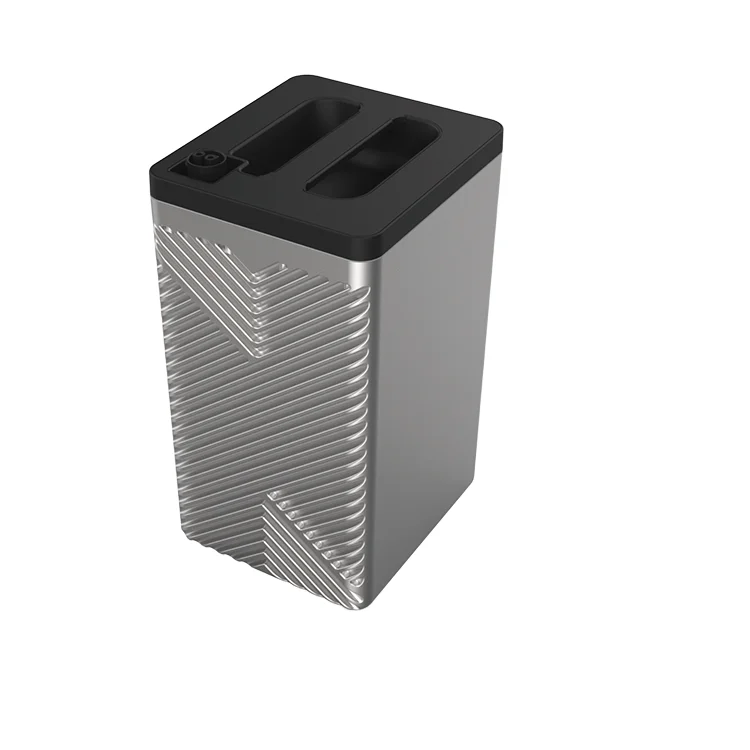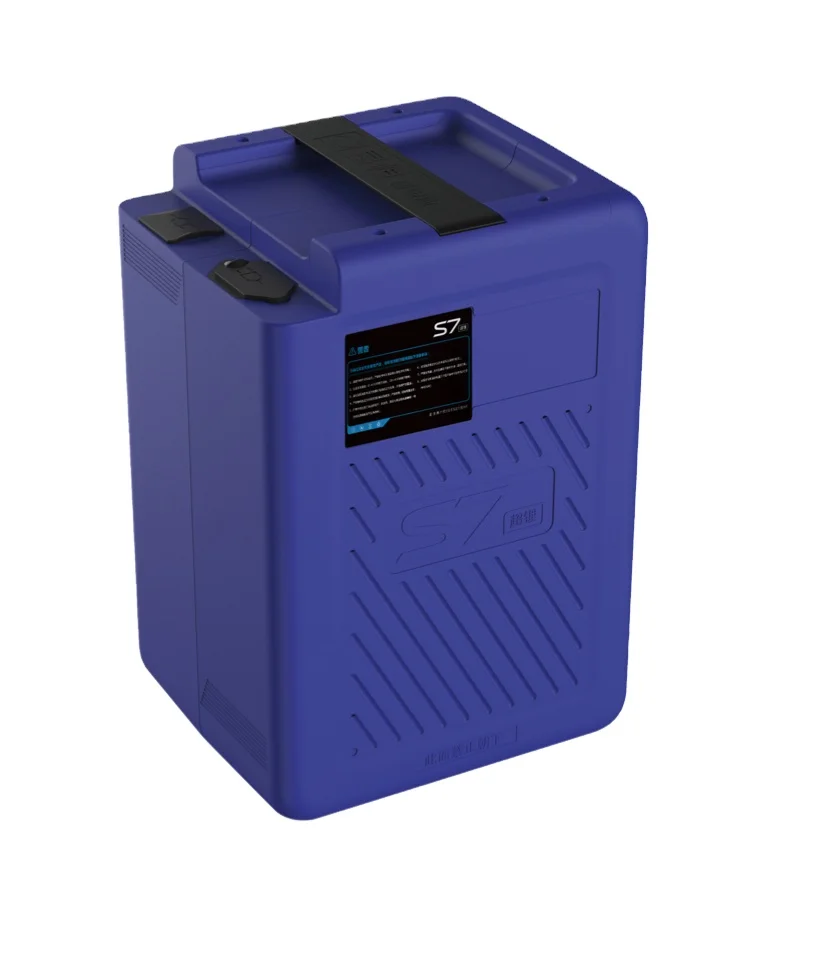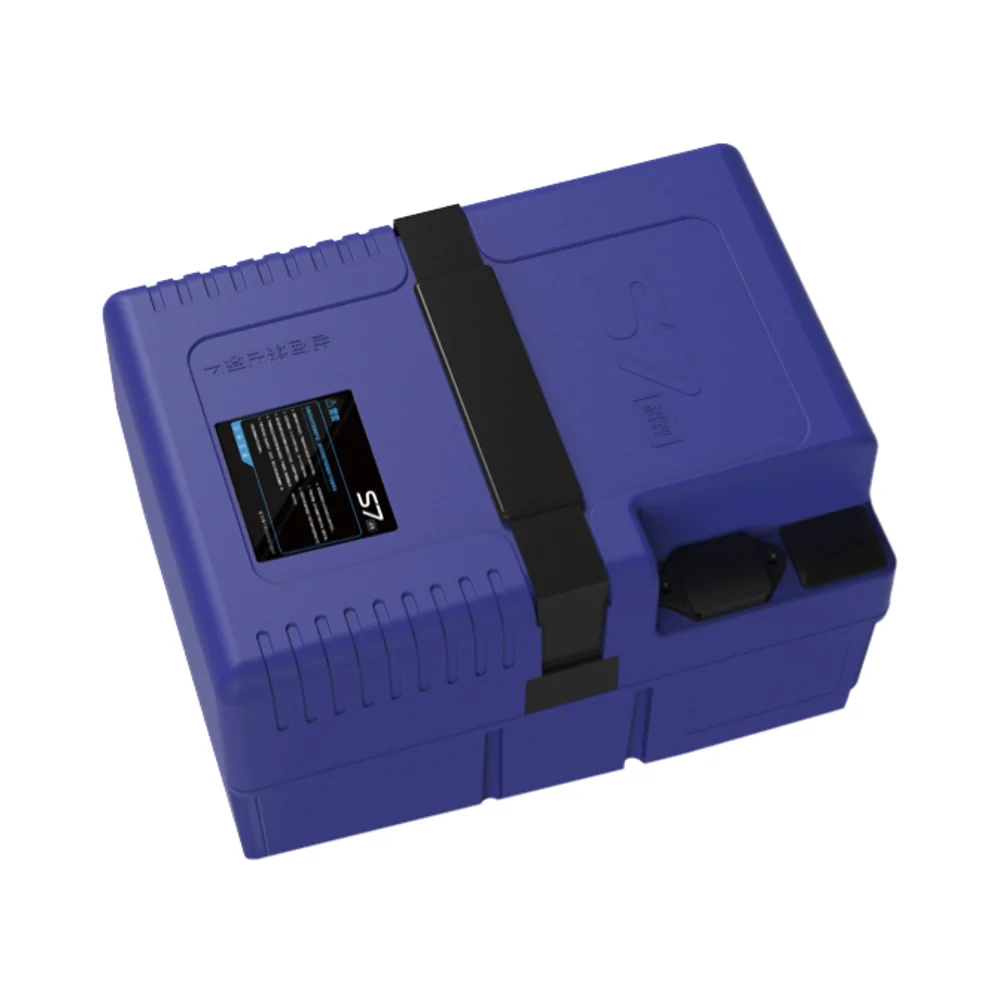
Battery swap systems represent a groundbreaking solution in the electric vehicle (EV) industry, offering a fresh perspective on how we approach vehicle charging and energy management. This innovative technology allows drivers to replace their depleted EV batteries with fully charged ones in a matter of minutes, transforming the way we think about electric vehicle refueling. As cities worldwide embrace sustainable transportation solutions, battery swap systems are emerging as a game-changing alternative to traditional charging methods.
The concept is remarkably straightforward yet revolutionary: instead of waiting for an EV battery to charge, drivers can simply swap their depleted battery for a fully charged one at designated stations. This process typically takes less than five minutes, comparable to traditional gas refueling times. The implications of this technology extend far beyond mere convenience, touching upon aspects of urban mobility, environmental sustainability, and economic efficiency.
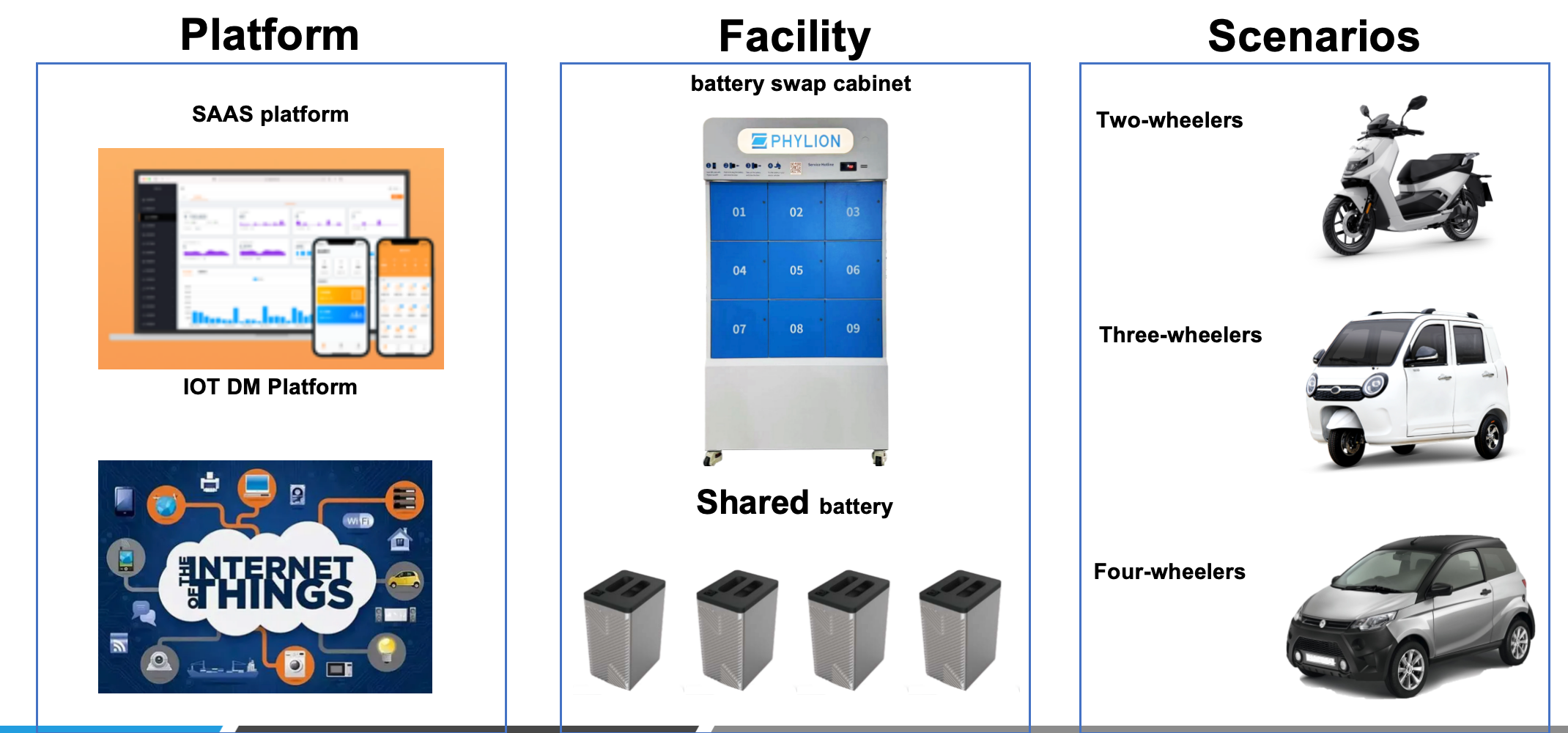
Modern battery swap systems utilize sophisticated robotics and automation technology to ensure safe and efficient battery exchanges. These stations are equipped with precision-engineered robots that can accurately remove depleted batteries and install fresh ones with minimal human intervention. The automated system performs multiple safety checks throughout the process, verifying proper battery alignment and secure connections.
The robotics involved are designed to handle various battery configurations and sizes, making the technology adaptable to different vehicle models. This standardization effort represents a significant step toward widespread adoption of battery swap systems across multiple vehicle manufacturers and markets.
The success of battery swap systems relies heavily on well-planned infrastructure networks. These stations are strategically positioned along major transportation routes and within urban centers to ensure optimal accessibility. The infrastructure includes not only the physical swap stations but also sophisticated power management systems that maintain a steady supply of charged batteries.
Advanced software platforms monitor battery inventory, track usage patterns, and manage the logistics of battery distribution across the network. This integrated approach ensures that fully charged batteries are always available when and where they're needed, minimizing wait times and maximizing system efficiency.
Battery swap systems contribute significantly to environmental conservation by promoting the adoption of electric vehicles. By making EV usage more convenient and practical, these systems encourage more drivers to transition away from fossil fuel-dependent vehicles. The result is a substantial reduction in carbon emissions and other pollutants associated with traditional combustion engines.
Additionally, centralized battery charging at swap stations can be optimized to utilize renewable energy sources more effectively. This systematic approach to energy management helps maximize the use of solar and wind power, further reducing the overall environmental impact of transportation.
One of the most compelling aspects of battery swap systems is their contribution to better battery lifecycle management. These systems enable more efficient monitoring and maintenance of battery health, ensuring optimal performance and longevity. When batteries reach the end of their useful life in vehicles, they can be systematically recycled or repurposed for other applications.
The centralized nature of battery swap systems also facilitates better quality control and maintenance procedures. Batteries can be regularly inspected, serviced, and replaced as needed, preventing potential issues before they affect vehicle performance or safety.
Battery swap systems offer significant economic benefits to both individual users and fleet operators. The initial cost of electric vehicles can be reduced by separating battery ownership from vehicle ownership, making EVs more accessible to a broader market. Subscription-based models for battery services provide predictable operating costs and eliminate concerns about battery degradation.
For commercial fleet operators, battery swap systems enable maximum vehicle utilization by minimizing downtime for charging. This increased efficiency translates directly into improved profitability and operational effectiveness, making electric vehicles an increasingly attractive option for business applications.
The battery swap system industry presents substantial opportunities for investment and economic growth. As the technology matures and adoption increases, new business models are emerging around battery management, maintenance services, and infrastructure development. This creates jobs and stimulates economic activity in the green technology sector.
The scalability of battery swap systems also attracts significant investment in infrastructure development, creating positive economic ripples throughout the transportation and energy sectors. This growth potential extends to related industries such as battery manufacturing, robotics, and software development.
The future of battery swap systems looks promising as technological innovations continue to emerge. Improvements in battery design, charging efficiency, and automation systems are making the process even faster and more reliable. Research into new battery chemistries and configurations could further enhance the capabilities and benefits of swap systems.
Integration with smart city infrastructure and autonomous vehicle technology presents exciting possibilities for the evolution of battery swap systems. These developments could lead to fully automated charging solutions that seamlessly support the next generation of transportation systems.
As countries worldwide accelerate their transition to electric mobility, battery swap systems are gaining traction in various markets. Different regions are developing customized approaches to implementation, taking into account local transportation needs, regulatory frameworks, and existing infrastructure.
The expansion of battery swap networks is particularly rapid in densely populated urban areas where traditional charging infrastructure faces space constraints. This growth is supported by increasing government incentives and private sector investment in sustainable transportation solutions.
A typical battery swap procedure takes between 3 to 5 minutes, comparable to refueling a conventional vehicle. This time includes all safety checks and verification procedures to ensure proper installation.
Currently, battery swap systems require vehicles to be specifically designed for battery swapping capability. However, industry efforts are underway to standardize battery formats and swap mechanisms to increase compatibility across different vehicle manufacturers.
Batteries from swap systems are carefully monitored throughout their lifecycle. When they no longer meet the performance requirements for vehicles, they can be repurposed for stationary energy storage applications or recycled through specialized facilities to recover valuable materials.
 Hot News
Copyright © 2026 PHYLION Privacy policy
 EN
EN
 AR
AR
 NL
NL
 FR
FR
 DE
DE
 IT
IT
 JA
JA
 KO
KO
 NO
NO
 PL
PL
 PT
PT
 RO
RO
 RU
RU
 ES
ES
 SV
SV
 TL
TL
 IW
IW
 ID
ID
 SR
SR
 SK
SK
 UK
UK
 VI
VI
 TH
TH
 TR
TR
 AF
AF
 MS
MS
 GA
GA
 MK
MK
 KA
KA
 BN
BN
 LO
LO
 LA
LA
 MI
MI
 MR
MR
 MN
MN
 NE
NE
 SO
SO
 MG
MG
 UZ
UZ
 KU
KU