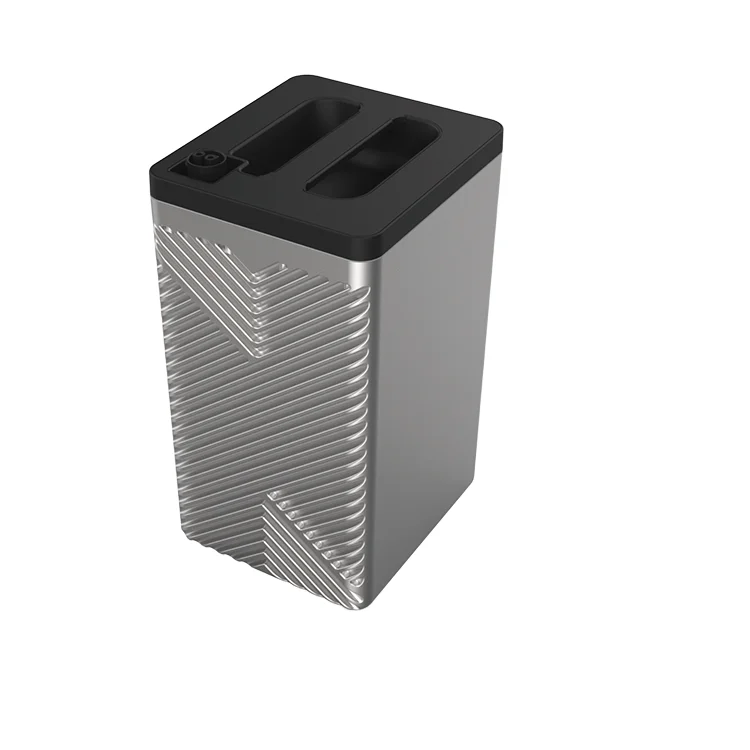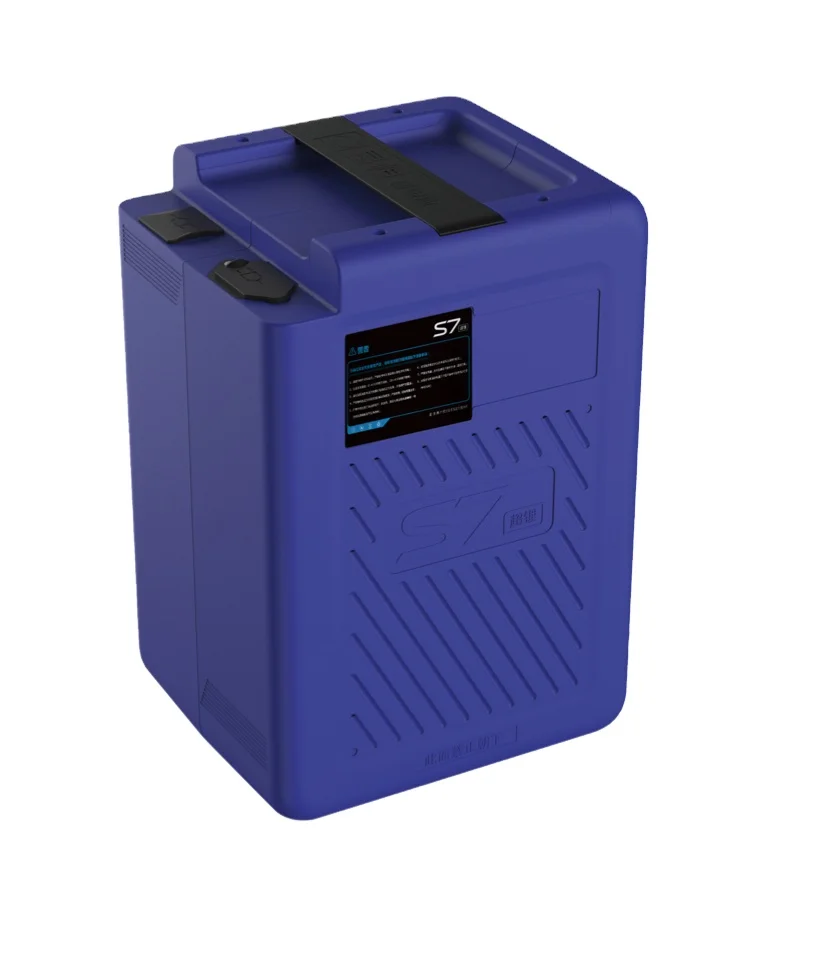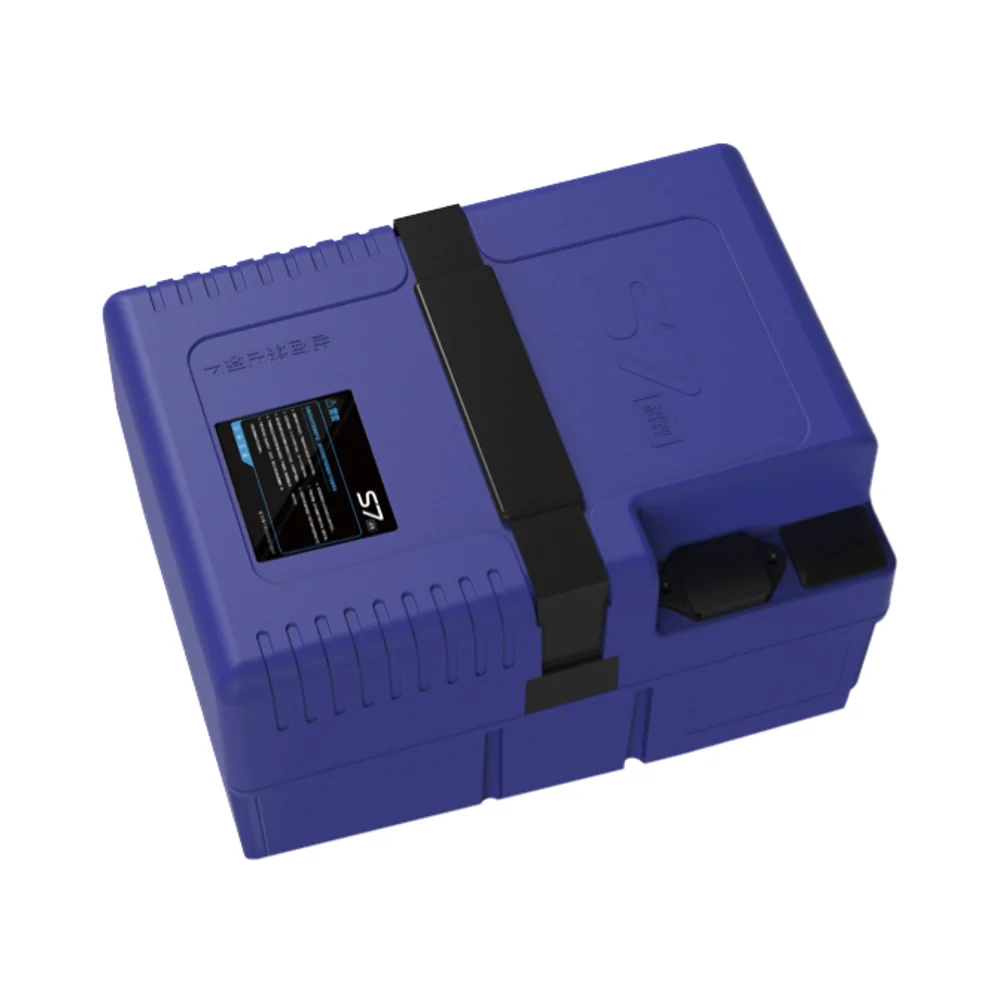
The global automotive industry is experiencing a revolutionary shift toward electric mobility, with innovative charging solutions reshaping how we power electric vehicles. Among these solutions, the battery swap system has emerged as a game-changing technology that addresses critical challenges in electric vehicle adoption, including charging time, range anxiety, and infrastructure limitations. This transformative approach allows drivers to exchange depleted batteries for fully charged ones in a matter of minutes, making electric vehicle ownership more convenient and practical than ever before.
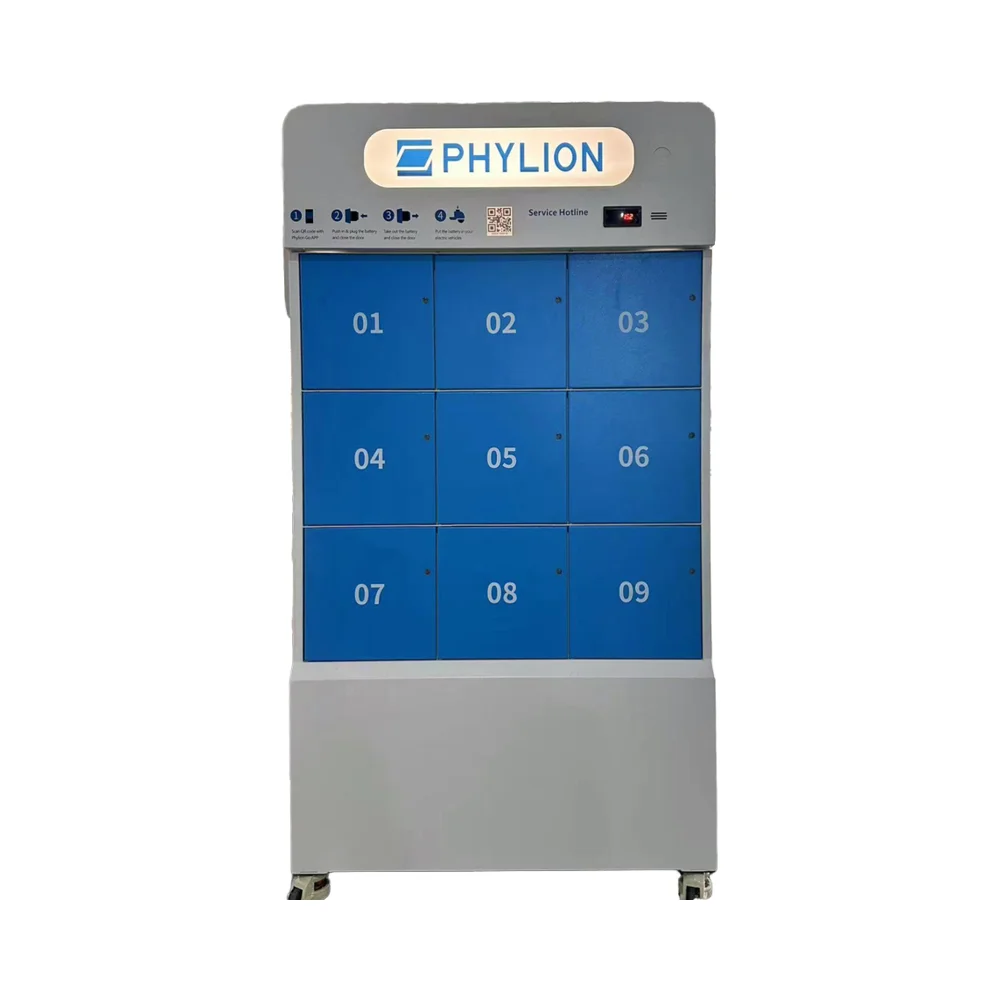
Several regions worldwide have recognized the potential of battery swapping technology and are leading the charge in its implementation. These pioneering markets are establishing comprehensive ecosystems that support rapid battery exchange, creating new business models, and setting standards that other regions are beginning to follow. Understanding which regions are at the forefront of this technology provides valuable insights into the future of electric mobility and the infrastructure needed to support widespread adoption.
China stands as the undisputed leader in battery swap system deployment, with over 2,000 operational stations across the country as of 2024. The Chinese government has actively supported this technology through favorable policies, subsidies, and regulatory frameworks that encourage both manufacturers and operators to invest in swapping infrastructure. Major cities like Beijing, Shanghai, and Shenzhen have become testing grounds for large-scale battery swap networks, with companies like NIO, Aulton, and CATL establishing extensive operations.
The success of China's battery swap ecosystem stems from coordinated efforts between automakers, battery manufacturers, and energy companies. This collaborative approach has resulted in standardized battery formats, unified payment systems, and optimized station locations that maximize accessibility for urban drivers. Chinese companies have also developed sophisticated logistics networks that ensure batteries are constantly cycled, charged, and maintained to optimal performance standards.
Innovation in China extends beyond basic swapping functionality to include advanced features like predictive maintenance, battery health monitoring, and integration with renewable energy sources. These technological advancements have positioned Chinese companies as global exporters of battery swap solutions, with many international partnerships emerging to bring this technology to other markets worldwide.
Japan has taken a characteristically methodical approach to battery swap system development, focusing on precision engineering and safety protocols that reflect the country's automotive manufacturing heritage. Japanese companies like Honda, Toyota, and Panasonic have invested heavily in research and development to create highly reliable and efficient swapping mechanisms that prioritize user safety and battery longevity.
The Japanese market emphasizes quality over quantity, with fewer but more technologically advanced stations compared to China's rapid expansion model. These stations feature sophisticated robotic systems, advanced safety sensors, and comprehensive diagnostic capabilities that ensure every battery swap meets rigorous safety and performance standards. This approach has resulted in extremely high customer satisfaction rates and minimal technical issues.
Japan's commitment to standardization has also been crucial in developing international protocols for battery swapping technology. Japanese companies are actively participating in global standards organizations to establish universal compatibility requirements that will enable seamless operation across different markets and vehicle brands.
Norway has emerged as Europe's most progressive market for electric vehicle adoption, and this leadership extends to battery swap system implementation. The country's combination of strong environmental policies, high disposable income, and government incentives has created an ideal environment for testing and deploying advanced charging solutions. Norwegian cities have become living laboratories for battery swap system integration with existing charging infrastructure.
The Norwegian approach emphasizes integration with renewable energy sources, particularly hydroelectric power, which provides clean energy for battery charging cycles. This sustainable approach aligns with the country's broader environmental goals and demonstrates how battery swapping can contribute to overall carbon reduction objectives. Norwegian operators have also pioneered seasonal adaptation strategies that account for extreme weather conditions and varying energy demands throughout the year.
Collaboration between Norwegian companies and international partners has facilitated knowledge transfer and technology sharing that benefits the global battery swap industry. These partnerships have resulted in improved cold-weather performance, enhanced safety protocols, and innovative business models that are being replicated in other Nordic countries.
Germany's approach to battery swap system development leverages the country's industrial manufacturing expertise and automotive engineering capabilities. German companies have focused on creating highly automated and efficient swapping mechanisms that can handle high-volume operations while maintaining strict quality control standards. This industrial focus has resulted in some of the world's most sophisticated battery swap stations.
The German market emphasizes integration with existing automotive manufacturing processes, allowing for seamless incorporation of battery swap compatibility into vehicle production lines. This manufacturing-centric approach has attracted significant investment from major automotive suppliers and has positioned Germany as a key export hub for battery swap technology components and systems.
German research institutions and universities have contributed significantly to advancing battery swap technology through fundamental research in areas like battery chemistry, mechanical engineering, and automation systems. This academic foundation provides ongoing innovation and ensures that German companies remain at the forefront of technological development in this rapidly evolving field.
India represents one of the world's largest potential markets for battery swap system adoption, driven by massive urbanization, growing environmental awareness, and government initiatives promoting electric mobility. The Indian government has established ambitious targets for electric vehicle adoption and has specifically identified battery swapping as a key technology for achieving these goals, particularly in the commercial vehicle and two-wheeler segments.
Indian companies and international partners are collaborating to develop battery swap solutions tailored to local market conditions, including hot climate operation, dust resistance, and cost-effective implementations suitable for price-sensitive consumers. These adaptations have resulted in innovative designs that prioritize durability and low maintenance requirements while keeping operational costs minimal.
The scale of India's potential market has attracted significant investment from global battery swap system providers, with several major projects underway in cities like Delhi, Mumbai, and Bangalore. These pilot programs are testing various business models and technical approaches that could eventually serve hundreds of millions of potential users across the subcontinent.
Countries across Southeast Asia are implementing battery swap systems as part of broader sustainable transportation initiatives, with Singapore, Thailand, and Indonesia leading regional adoption efforts. These markets are leveraging lessons learned from more mature markets while adapting solutions to local conditions, including tropical climates, diverse urban layouts, and varying economic conditions.
Southeast Asian countries are particularly focused on battery swap applications for commercial vehicles, delivery services, and public transportation systems where the economics of battery swapping provide clear advantages over traditional charging approaches. This commercial focus has resulted in rapid deployment of specialized stations designed for fleet operations and high-utilization scenarios.
Regional cooperation initiatives are facilitating technology sharing and standardization efforts that will enable cross-border compatibility and economies of scale. These collaborative approaches are reducing development costs and accelerating deployment timelines across multiple countries simultaneously.
Leading regions in battery swap system adoption have invested heavily in sophisticated battery management systems that monitor battery health, optimize charging cycles, and predict maintenance requirements. These systems use artificial intelligence and machine learning algorithms to maximize battery lifespan while ensuring consistent performance across thousands of swap cycles.
Advanced diagnostics capabilities allow operators to identify and remove batteries that are approaching end-of-life or experiencing performance issues before they impact customer experience. This proactive approach has significantly improved system reliability and user confidence in battery swap technology across all leading markets.
Integration with broader energy management systems enables battery swap stations to participate in grid stabilization efforts, demand response programs, and renewable energy integration initiatives. This multi-functional approach maximizes the value proposition of battery swap infrastructure while supporting broader energy system objectives.
Successful battery swap system deployment requires extensive standardization efforts covering battery formats, communication protocols, safety procedures, and business processes. Leading regions have established industry consortiums and regulatory frameworks that promote standardization while allowing for continued innovation and competition among providers.
Interoperability between different vehicle brands and swap station operators has been a key focus area, with technical standards being developed to ensure that customers can access multiple networks with a single account and payment system. This seamless user experience has been critical for achieving widespread adoption and customer satisfaction.
International standardization efforts are building on the experience gained in leading markets to establish global protocols that will facilitate technology transfer and enable economies of scale in manufacturing and operations. These standards are essential for supporting the international expansion of battery swap technology.
Leading regions have developed sophisticated financing models that support the high capital requirements of battery swap infrastructure while ensuring long-term economic viability. These models often involve partnerships between automakers, energy companies, financial institutions, and government agencies that share risks and rewards across the value chain.
Innovative ownership structures have emerged that separate battery ownership from vehicle ownership, allowing consumers to access electric mobility without the high upfront costs associated with battery purchases. This approach has significantly reduced barriers to electric vehicle adoption while creating new revenue streams for service providers.
Revenue diversification strategies include energy trading, grid services, battery lifecycle management, and data monetization opportunities that extend beyond basic swapping services. These additional revenue sources help improve the overall economics of battery swap operations and support continued expansion and innovation.
Consumer acceptance of battery swap systems varies significantly across different regions, influenced by factors like technology familiarity, trust in automation, cost sensitivity, and existing charging infrastructure availability. Leading markets have invested in extensive customer education and demonstration programs that build confidence in battery swap technology.
Market dynamics in successful regions show strong network effects, where increased station density leads to higher utilization rates, which in turn justifies further expansion investment. This positive feedback loop has been critical for achieving sustainable operations in competitive markets with multiple mobility options.
Customer loyalty programs and subscription models have proven effective in building stable user bases and predictable revenue streams. These approaches often include value-added services like priority access, premium battery options, and integration with other mobility services that enhance the overall customer experience.
China leads the world with over 2,000 operational battery swap stations as of 2024, representing approximately 85% of the global total. The country's aggressive expansion strategy, supported by government policies and major investments from companies like NIO, Aulton, and CATL, has established China as the dominant market for battery swap infrastructure deployment.
Battery swap systems offer several key advantages including dramatically reduced waiting times (typically 3-5 minutes versus 30-60 minutes for fast charging), elimination of range anxiety through guaranteed battery availability, reduced vehicle purchase costs when batteries are leased separately, and the ability to always access optimally maintained batteries. These benefits make electric vehicle ownership more convenient and economically attractive for many consumers.
Different regions have taken varying approaches to standardization, with China focusing on national standards that facilitate rapid domestic deployment, Europe emphasizing cross-border compatibility and integration with existing automotive standards, and Japan prioritizing safety and quality protocols. International coordination efforts are working to harmonize these different approaches to enable global interoperability and technology transfer.
Governments in leading regions provide crucial support through policies including financial incentives for infrastructure development, regulatory frameworks that ensure safety and standardization, zoning approvals for station locations, and integration with broader electric vehicle adoption strategies. Government support has been particularly important in China and Norway, where public policy has actively promoted battery swap technology as part of national sustainability objectives.
 Hot News
Copyright © 2026 PHYLION Privacy policy
 EN
EN
 AR
AR
 NL
NL
 FR
FR
 DE
DE
 IT
IT
 JA
JA
 KO
KO
 NO
NO
 PL
PL
 PT
PT
 RO
RO
 RU
RU
 ES
ES
 SV
SV
 TL
TL
 IW
IW
 ID
ID
 SR
SR
 SK
SK
 UK
UK
 VI
VI
 TH
TH
 TR
TR
 AF
AF
 MS
MS
 GA
GA
 MK
MK
 KA
KA
 BN
BN
 LO
LO
 LA
LA
 MI
MI
 MR
MR
 MN
MN
 NE
NE
 SO
SO
 MG
MG
 UZ
UZ
 KU
KU