The longevity of your battery pack plays a crucial role in sustainable device usage and cost efficiency. Understanding how to properly maintain and care for your battery pack can significantly extend its operational life, saving you money while reducing environmental impact. Whether you're using batteries in your laptop, power tools, or electric vehicles, implementing the right preservation techniques can double or even triple your battery pack lifespan.
One of the most critical factors affecting battery pack lifespan is temperature management. Batteries perform optimally between 20-25°C (68-77°F). Exposure to extreme temperatures, whether hot or cold, can dramatically reduce their longevity. When storing battery packs, keep them in a cool, dry place away from direct sunlight. Avoid leaving them in hot cars or freezing garages, as temperature fluctuations can cause internal damage and reduce capacity.
Proper storage also involves maintaining an ideal charge level. For long-term storage, keep your battery pack at approximately 40-60% charge. This middle range helps prevent both over-discharge and stress from full-charge storage, ultimately contributing to extended battery pack lifespan.
The way you charge your battery pack has a direct impact on its longevity. Avoid frequent complete discharges, as deep cycling can stress the battery cells. Instead, implement partial charging cycles, keeping the charge level between 20% and 80% during regular use. This approach helps maintain cell stability and reduces wear on the battery's internal components.
Use the correct charger designed for your specific battery pack type. Generic or incompatible chargers may not properly regulate voltage and current, potentially causing damage. Quality charging equipment often includes features like temperature monitoring and automatic cut-off systems that protect against overcharging.
Monitoring your battery pack's performance helps identify early signs of degradation. Keep track of charging times, runtime, and any unusual behavior. Many modern devices include built-in battery health monitoring tools that can provide valuable insights into capacity retention and overall condition. Regular assessment allows you to adjust usage patterns and implement preventive measures before significant deterioration occurs.
Consider maintaining a log of charging cycles and performance metrics. This information can help you identify patterns and optimize your battery management strategy. If you notice declining performance, evaluate your usage habits and environmental conditions to make necessary adjustments.
Understanding and managing the load on your battery pack can significantly impact its lifespan. Heavy loads and high-power demands create more stress and generate more heat, potentially accelerating degradation. When possible, operate devices at moderate power levels and avoid pushing the battery pack to its limits frequently.
Implement power-saving features and settings on your devices to reduce unnecessary battery drain. This might include adjusting screen brightness, closing unused applications, or utilizing energy-efficient modes. Strategic load management not only extends battery pack lifespan but also improves daily runtime.
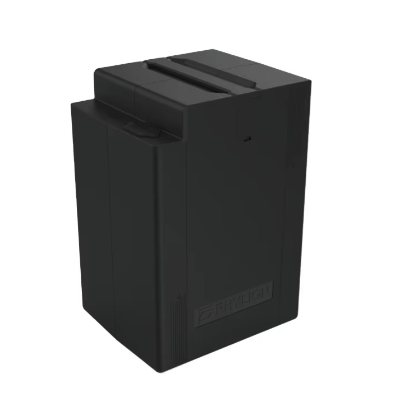
Physical protection of your battery pack is essential for long-term durability. Keep batteries clean and free from dust, moisture, and debris. Use protective cases or covers when appropriate, especially in harsh environments. Avoid exposing battery packs to mechanical shock or vibration, as physical damage can compromise internal components and safety features.
Consider the environmental conditions where you use and store your battery packs. Maintain proper ventilation during charging and operation to prevent heat buildup. In professional settings, consider implementing climate-controlled storage areas for optimal preservation of multiple battery packs.
For applications requiring multiple battery packs, implement a rotation system to distribute wear evenly. This approach ensures no single battery pack bears excessive use while others remain idle. Label batteries with purchase dates and usage cycles to maintain an organized rotation schedule.
When managing multiple battery packs, avoid mixing old and new units in the same application. Age differences can lead to uneven performance and potentially accelerate degradation of newer units. Maintain separate groups based on age and capacity for optimal management.
While older battery technologies required regular full charges, modern battery packs perform better with partial charging cycles. It's recommended to keep the charge level between 20% and 80% for daily use, with occasional full charges (perhaps monthly) for calibration purposes.
The optimal storage temperature range is between 20-25°C (68-77°F). Avoid extreme temperatures on either end of the spectrum, as they can significantly reduce battery pack lifespan and potentially cause permanent damage.
Consider replacement when your battery pack's capacity drops below 70-80% of its original capacity, or when runtime becomes notably shorter. Other signs include swelling, physical damage, or unusual heating during operation. Regular monitoring helps determine the right time for replacement before performance issues impact your operations.
 Hot News
Copyright © 2026 PHYLION Privacy policy
 EN
EN
 AR
AR
 NL
NL
 FR
FR
 DE
DE
 IT
IT
 JA
JA
 KO
KO
 NO
NO
 PL
PL
 PT
PT
 RO
RO
 RU
RU
 ES
ES
 SV
SV
 TL
TL
 IW
IW
 ID
ID
 SR
SR
 SK
SK
 UK
UK
 VI
VI
 TH
TH
 TR
TR
 AF
AF
 MS
MS
 GA
GA
 MK
MK
 KA
KA
 BN
BN
 LO
LO
 LA
LA
 MI
MI
 MR
MR
 MN
MN
 NE
NE
 SO
SO
 MG
MG
 UZ
UZ
 KU
KU