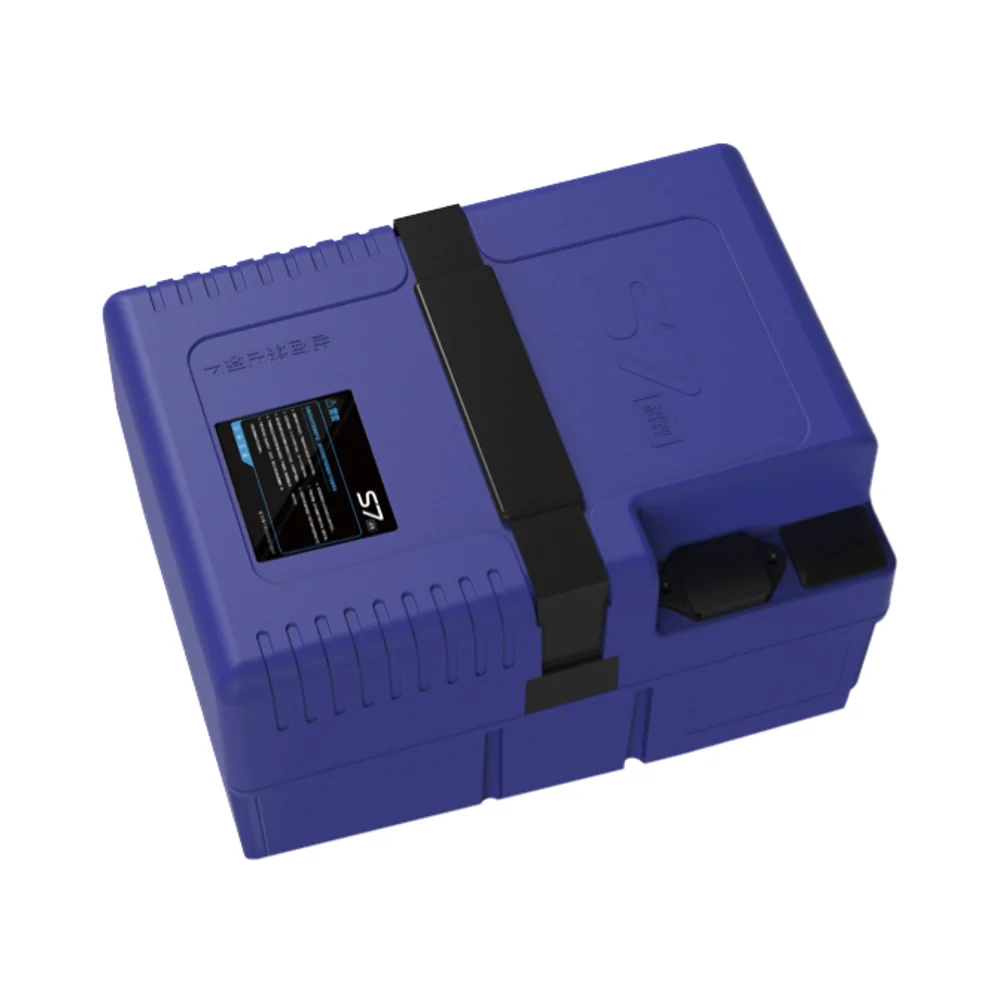
The evolution of battery technology has brought unprecedented advances in portable power, but with these innovations comes the critical need for robust safety measures. Battery cell safety features represent the cornerstone of reliable energy storage systems, protecting users and devices from potential hazards while ensuring optimal performance. As our reliance on battery-powered devices continues to grow, understanding these essential safety mechanisms becomes increasingly important for manufacturers, engineers, and consumers alike.
Modern battery cells incorporate multiple layers of protection, working in harmony to prevent issues ranging from overcharging to thermal runaway. These sophisticated safety systems have transformed what was once a relatively simple power source into a highly engineered protective ecosystem. Let's explore the critical components that make today's battery cells safer and more reliable than ever before.
At the heart of battery cell safety features lies an advanced thermal management system. These systems continuously monitor and regulate cell temperature, preventing the dangerous conditions that could lead to thermal runaway. Through a combination of sensors, cooling mechanisms, and thermal interface materials, modern batteries maintain optimal operating temperatures even under heavy loads.
Advanced cooling solutions, including liquid cooling channels and phase-change materials, actively dissipate heat generated during charging and discharging cycles. This thermal regulation not only enhances safety but also extends battery life and maintains consistent performance across various operating conditions.
Battery cells incorporate sophisticated pressure relief mechanisms to prevent catastrophic failure under extreme conditions. These safety vents are designed to release excess pressure buildup caused by gas generation during abnormal operating conditions. The carefully engineered vents activate at specific pressure thresholds, providing a controlled release that prevents explosive decompression while maintaining cell integrity.
Modern designs feature multiple stages of pressure relief, ensuring a gradual and safe response to internal pressure changes. This layered approach to pressure management represents a critical battery cell safety feature that protects against one of the most dangerous failure modes in energy storage systems.
Battery cell safety features must include robust overcharge protection circuits. These sophisticated electronic systems monitor cell voltage levels and automatically terminate charging when maximum safe levels are reached. Advanced monitoring circuits provide real-time voltage tracking and can adjust charging parameters based on environmental conditions and battery health.
The implementation of redundant voltage monitoring systems ensures that even if one circuit fails, secondary systems maintain protection against overcharging. This multi-layered approach has become standard in high-quality battery cells, significantly reducing the risk of damage from excessive charging current.
Short circuit protection represents another crucial electronic safety feature in modern battery cells. Current interruption devices (CIDs) and specialized circuits monitor current flow, immediately cutting power if dangerous levels are detected. These systems react in milliseconds, preventing the catastrophic effects of internal or external short circuits.
Advanced short circuit protection extends beyond simple current monitoring, incorporating intelligent algorithms that can differentiate between normal high-current operations and potentially dangerous conditions. This sophisticated approach ensures protection without compromising performance during legitimate high-power demands.
The separator between battery electrodes plays a crucial role in cell safety. Modern separators incorporate advanced materials that provide both electrical isolation and thermal shutdown capabilities. These specialized materials are designed to melt and seal at specific temperatures, creating an internal circuit break before dangerous conditions can develop.
Recent innovations in separator technology include ceramic-coated materials that maintain structural integrity at higher temperatures and provide enhanced protection against internal short circuits. These advanced separators represent a critical battery cell safety feature that operates passively but effectively.
The development of safer electrolyte formulations marks another significant advancement in battery cell safety features. Modern electrolytes incorporate flame-retardant additives and stability enhancers that reduce the risk of fire even under extreme conditions. These specialized formulations maintain high performance while significantly improving the overall safety profile of the battery cell.
Research continues into solid-state electrolytes, which could potentially eliminate many of the safety concerns associated with liquid electrolytes. This emerging technology represents the next frontier in battery safety innovation, promising even more secure energy storage solutions.
Accurate state of charge monitoring represents a critical battery cell safety feature that helps prevent both over-discharge and overcharge conditions. Advanced monitoring systems use sophisticated algorithms to track cell capacity and health, providing real-time data that helps maintain safe operating conditions.
Modern battery management systems integrate temperature, voltage, and current data to create a comprehensive picture of battery state, enabling predictive safety measures that can prevent potential issues before they develop into serious problems.
In multi-cell batteries, cell balancing systems ensure uniform charge distribution across all cells. This critical safety feature prevents individual cells from experiencing stress due to charge imbalances, which could lead to premature failure or safety issues. Advanced balancing circuits continuously monitor and adjust charge levels, maintaining optimal performance while enhancing overall battery safety.
Active balancing systems can transfer energy between cells, maximizing efficiency while maintaining safe operating conditions. This sophisticated approach to cell management represents a significant advancement in battery cell safety features, particularly for large-scale battery systems.
Modern battery cells are designed with multiple redundant safety systems that activate in sequence during overheating. The thermal management system first attempts to cool the cell. If temperature continues to rise, the separator may initiate thermal shutdown, while pressure relief vents can activate to prevent explosion. The battery management system will also typically disable the cell and alert the user or control system.
Battery cell safety features should be tested during manufacturing and as part of regular maintenance schedules. While many features are passive and continuously active, electronic protection systems should be verified quarterly in critical applications. Regular monitoring through battery management systems can provide continuous validation of safety feature functionality.
Yes, safety features are often tailored to specific battery chemistries. While basic principles remain similar, the implementation and thresholds for various protection mechanisms vary based on the chemical composition and characteristics of different battery types. For example, lithium-ion batteries typically require more sophisticated thermal management and pressure relief systems compared to other chemistries.
 Hot News
Copyright © 2026 PHYLION Privacy policy
 EN
EN
 AR
AR
 NL
NL
 FR
FR
 DE
DE
 IT
IT
 JA
JA
 KO
KO
 NO
NO
 PL
PL
 PT
PT
 RO
RO
 RU
RU
 ES
ES
 SV
SV
 TL
TL
 IW
IW
 ID
ID
 SR
SR
 SK
SK
 UK
UK
 VI
VI
 TH
TH
 TR
TR
 AF
AF
 MS
MS
 GA
GA
 MK
MK
 KA
KA
 BN
BN
 LO
LO
 LA
LA
 MI
MI
 MR
MR
 MN
MN
 NE
NE
 SO
SO
 MG
MG
 UZ
UZ
 KU
KU