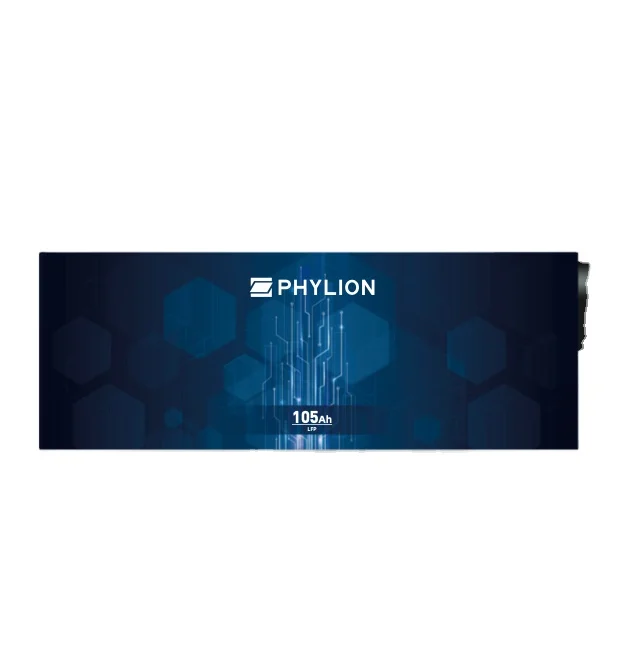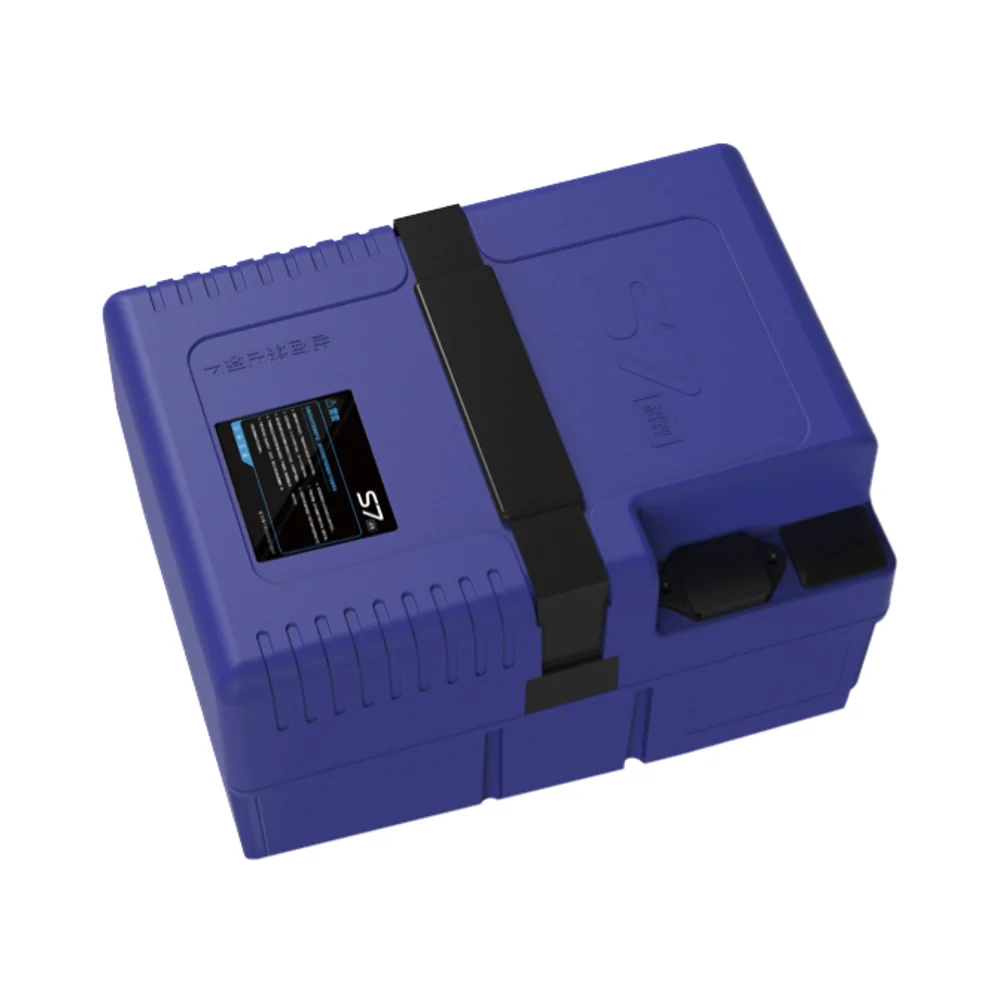
When venturing into the great outdoors, reliable power access becomes a critical concern for modern adventurers. Whether you're camping in remote locations, working from an RV, or preparing for emergency situations, a dependable portable power station can make the difference between comfort and inconvenience. These versatile devices have evolved far beyond simple battery packs, offering comprehensive power solutions that can keep essential electronics running for extended periods. Understanding the key factors that determine the effectiveness of these power sources will help you make an informed decision that aligns with your specific outdoor power needs.
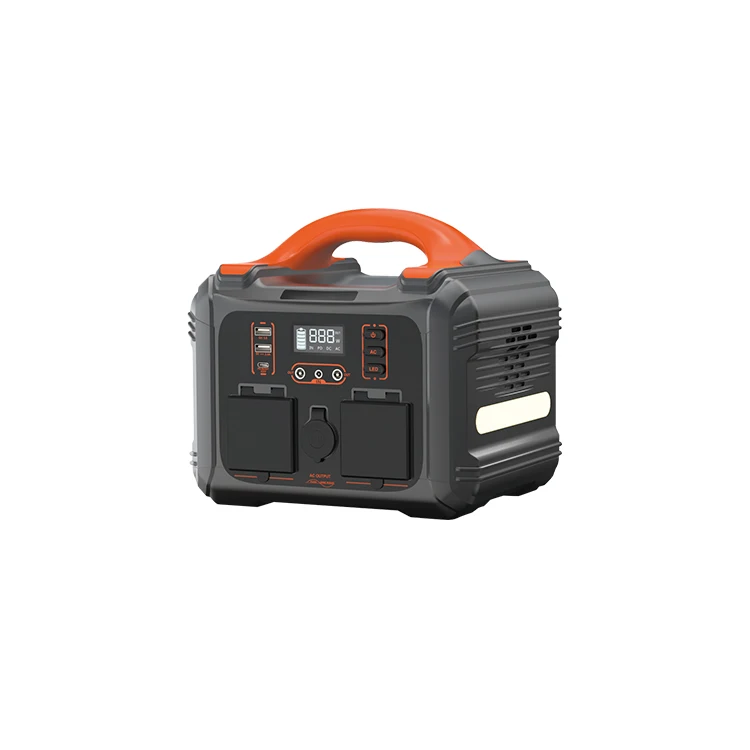
The foundation of any portable power station lies in its battery capacity, typically measured in watt-hours (Wh). This specification directly correlates to how long your devices can operate before requiring a recharge. A higher watt-hour rating generally means extended runtime, but the actual performance depends on the efficiency of the internal components and the power draw of your connected devices. Most quality units range from 200Wh for lightweight applications to over 2000Wh for heavy-duty outdoor operations.
Understanding your power consumption patterns is crucial for selecting the appropriate capacity. Small electronics like smartphones and tablets typically consume 10-20 watts, while larger devices such as laptops, portable refrigerators, or CPAP machines can draw 50-100 watts or more. Calculate your daily power needs by multiplying each device's wattage by its expected usage hours, then add a 20% buffer for efficiency losses and unexpected usage.
Power output specifications include both continuous and peak power ratings, which serve different purposes in real-world applications. Continuous power represents the sustained output the unit can maintain indefinitely, while peak power indicates the maximum brief surge capability. Many devices require higher initial power draws during startup, making peak power ratings essential for operating motors, compressors, and other inductive loads commonly found in outdoor equipment.
Professional-grade portable power station models typically offer continuous outputs ranging from 300W to 3000W or more. Consider not only your current device requirements but also potential future needs when selecting output capacity. Having extra headroom prevents overloading the system and ensures optimal performance even as your power demands evolve.
Modern portable power solutions predominantly utilize lithium battery technology due to superior energy density, longevity, and performance characteristics compared to traditional lead-acid alternatives. Lithium iron phosphate (LiFePO4) batteries have become increasingly popular for outdoor applications because they offer enhanced safety, thermal stability, and cycle life exceeding 2000 charge cycles. This chemistry maintains consistent voltage output throughout the discharge cycle, ensuring stable power delivery to sensitive electronics.
Temperature tolerance is another critical advantage of quality lithium systems. These batteries maintain functionality across wide temperature ranges, typically from -10°C to 60°C, making them suitable for diverse outdoor environments. The reduced weight compared to lead-acid alternatives makes transportation significantly easier during camping trips, hiking expeditions, or emergency evacuation scenarios.
Flexible charging options ensure your power station remains operational regardless of available energy sources. Most comprehensive units support AC wall charging for pre-trip preparation, 12V vehicle charging during travel, and solar panel input for off-grid sustainability. Solar charging capability is particularly valuable for extended outdoor adventures, allowing you to harness renewable energy and maintain power independence for weeks or months in remote locations.
Charging speed varies significantly between different input methods and power station designs. AC charging typically provides the fastest replenishment, often achieving full capacity in 6-8 hours, while solar charging depends on panel wattage, weather conditions, and available sunlight. Understanding these variables helps you plan charging schedules and select appropriate solar panel configurations for your specific outdoor activities.
AC outlets form the backbone of most portable power applications, enabling connection of standard household devices and appliances. Pure sine wave output is essential for sensitive electronics, providing clean power that matches utility grid quality. This feature prevents potential damage to devices with switching power supplies, motors, or precision circuits commonly found in modern equipment.
The number and arrangement of AC outlets affects versatility and convenience during use. Multiple outlets allow simultaneous operation of several devices, while strategic spacing accommodates larger power adapters without blocking adjacent ports. Some advanced models include both standard 120V outlets and specialized connectors for international compatibility or specific equipment requirements.
USB charging ports have become standard features, but the specific types and power ratings vary considerably between models. USB-C Power Delivery (PD) ports can deliver up to 100W for fast laptop charging, while traditional USB-A ports typically provide 12W for smartphones and tablets. Quick Charge compatibility ensures optimal charging speeds for compatible devices, reducing downtime during outdoor activities.
Dedicated 12V DC outputs serve automotive accessories, amateur radio equipment, and other specialized devices common in outdoor settings. Cigarette lighter ports, barrel connectors, and screw terminals provide flexibility for connecting various DC-powered equipment without requiring inverters or adapters that introduce efficiency losses.
Advanced battery management systems (BMS) protect both the power station and connected devices through comprehensive monitoring and control functions. These systems continuously track voltage, current, temperature, and charge state to prevent overcharging, over-discharging, short circuits, and thermal runaway conditions. Quality BMS implementation extends battery life, ensures safe operation, and provides early warning of potential issues.
Overcurrent protection prevents damage when connected devices exceed safe operating parameters or experience internal faults. This feature automatically disconnects power to affected outlets while maintaining operation of other ports, preventing complete system shutdown due to single-device failures. Temperature monitoring ensures the unit operates within safe thermal ranges, activating cooling fans or reducing output power when necessary.
Outdoor applications expose equipment to dust, moisture, vibration, and temperature extremes that can compromise performance and safety. IP (Ingress Protection) ratings indicate the level of environmental sealing, with higher numbers providing better protection against particle intrusion and water exposure. While most portable power stations aren't fully waterproof, adequate protection prevents damage from rain, humidity, and dusty conditions typical of outdoor environments.
Shock and vibration resistance ensures reliable operation during transport and outdoor use. Reinforced housings, secure internal mounting, and cushioned displays protect sensitive components from impact damage. These design considerations are particularly important for mobile applications where equipment experiences regular movement and handling.
Balancing power capacity with portability requires careful consideration of your specific application requirements. Lightweight units under 20 pounds offer excellent mobility for backpacking and hiking applications but typically provide limited capacity suitable only for small electronics. Medium-weight options in the 30-50 pound range deliver substantial power for car camping and RV applications while remaining manageable for most users.
Heavy-duty units exceeding 50 pounds provide maximum capacity but require planning for transport and positioning. These systems often include wheels, telescoping handles, or modular designs that facilitate movement despite their substantial weight. Consider your physical capabilities, transport methods, and setup locations when evaluating size and weight trade-offs.
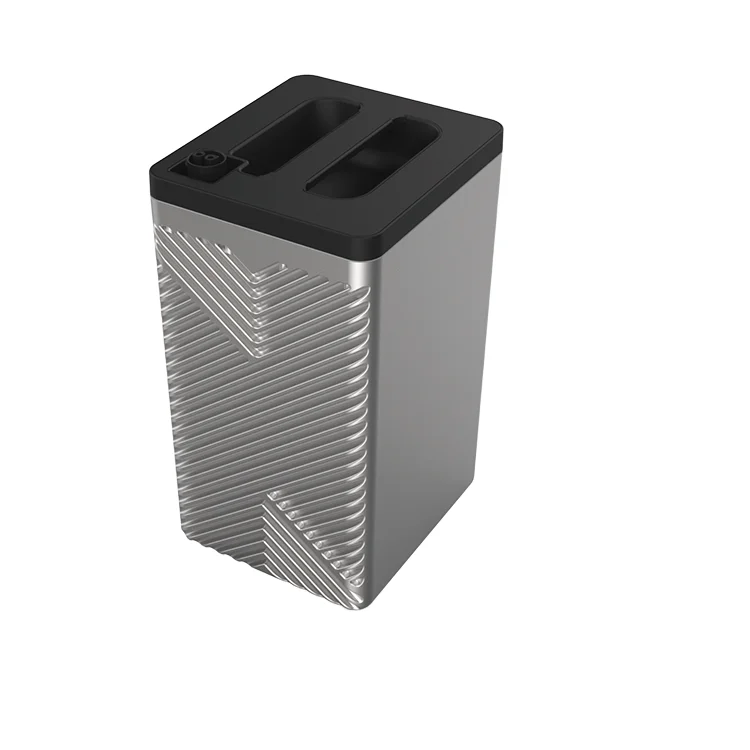
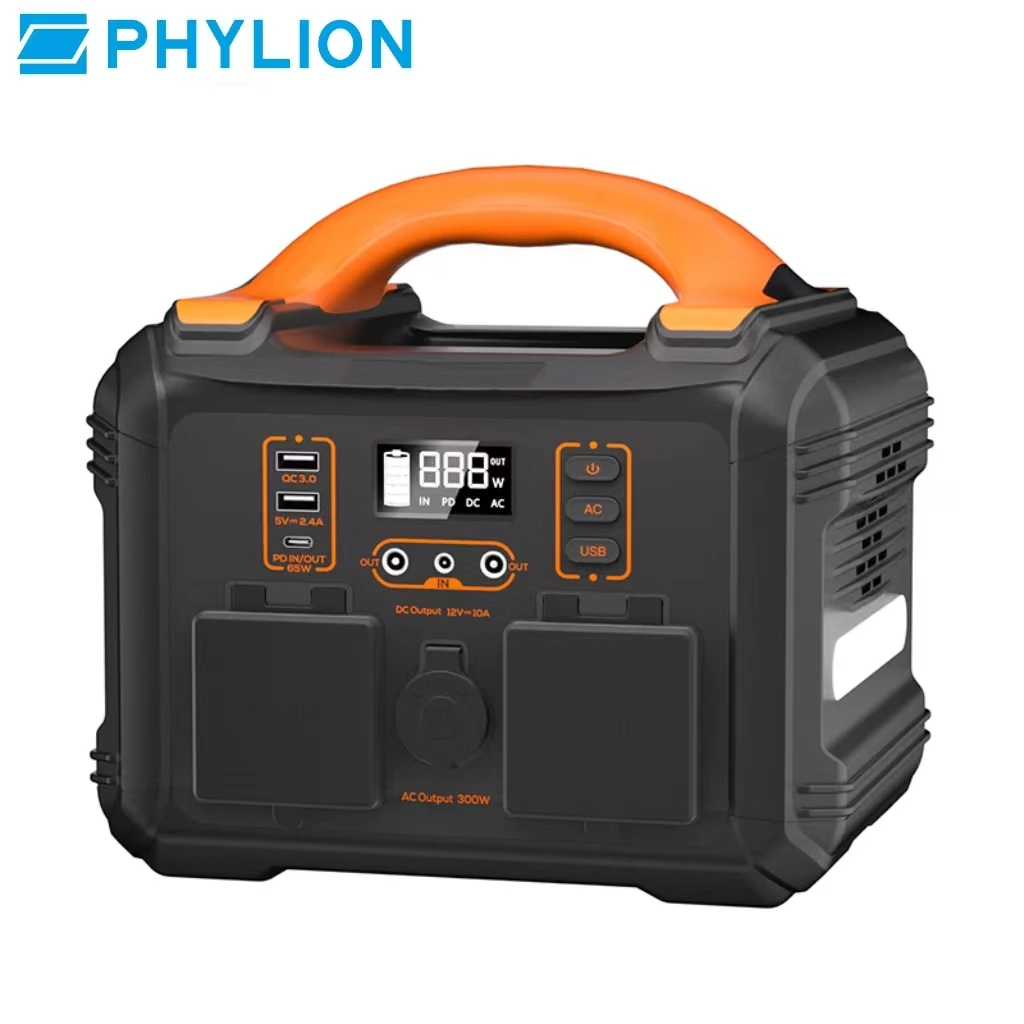
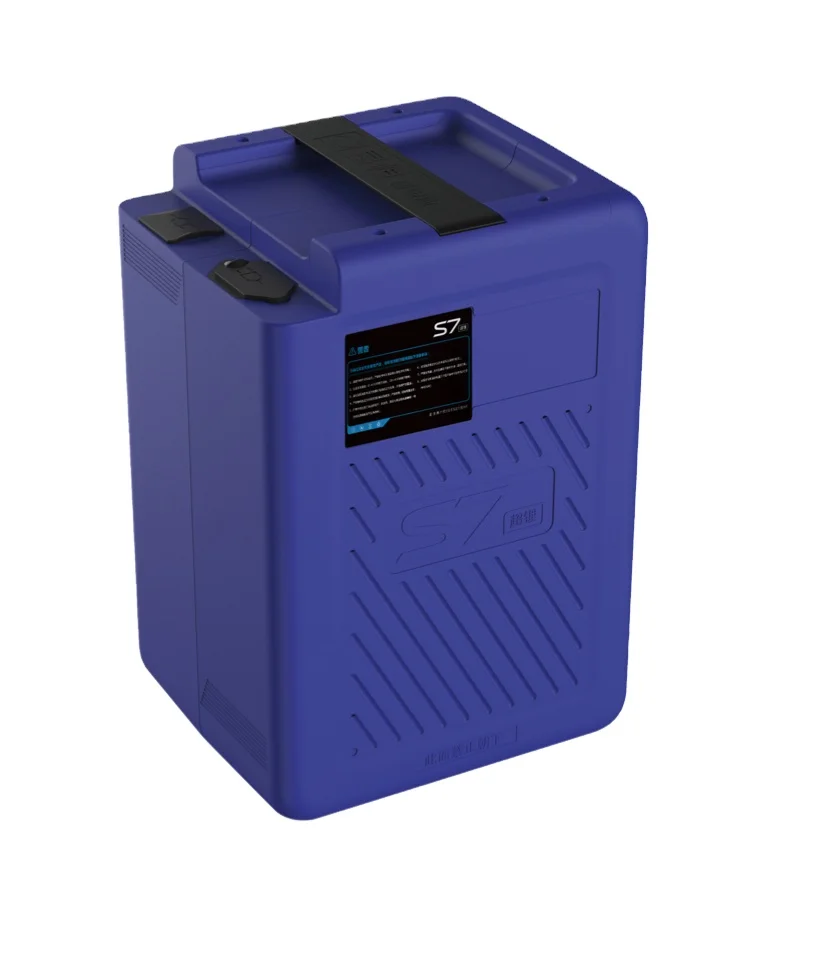
Compact rectangular designs maximize internal space efficiency while providing stable platforms for operation. Integrated handles, control panels, and port arrangements affect ease of use during setup and operation. Well-designed units position frequently used outlets and controls on easily accessible surfaces while protecting critical components from accidental damage.
Display systems provide essential information about battery status, power consumption, and system health. LCD or LED indicators should be clearly visible in various lighting conditions and provide sufficient detail for effective power management. Some advanced models include smartphone apps for remote monitoring and control, adding convenience for complex installations or multiple-unit systems.
Quality portable power stations represent significant upfront investments, but their long-term value depends on build quality, reliability, and application suitability. Premium models with advanced features and robust construction typically cost more initially but provide better performance, longer service life, and superior warranty coverage. Calculate the total cost of ownership including replacement cycles, maintenance requirements, and operational efficiency when comparing options.
Consider the cost of alternative power solutions such as generators, vehicle idling, or frequent battery replacements when evaluating portable power station investments. These devices often provide quieter operation, zero emissions, lower maintenance requirements, and greater convenience compared to traditional alternatives, justifying higher initial costs through improved usability and reduced ongoing expenses.
Selecting features that align with your actual needs prevents overpaying for unused capabilities while ensuring adequate performance for intended applications. Basic models suffice for simple device charging, while advanced features like solar input, multiple AC outlets, and high-power output justify their costs for demanding applications. Consider potential future needs when making selections, as upgrading typically requires purchasing entirely new units.
Expandability options such as additional battery modules or parallel connection capabilities provide growth paths without complete system replacement. Some manufacturers offer modular designs that allow capacity increases through additional battery packs, providing flexibility for evolving power requirements while protecting initial investments.
Runtime depends on the power station's capacity (measured in watt-hours) and your devices' power consumption. Divide the station's watt-hour rating by your total device power draw to estimate runtime. For example, a 500Wh unit powering a 50W laptop will run approximately 10 hours, accounting for efficiency losses. Always include a 20% buffer for realistic expectations.
Most quality portable power stations support pass-through charging, allowing simultaneous charging and discharging. However, this feature may reduce charging efficiency and generate additional heat. Check your unit's specifications and avoid high-power loads during charging to prevent overheating and ensure optimal battery health.
Solar panel sizing depends on your daily power consumption and available sunlight hours. As a general rule, aim for solar capacity equal to 20-30% of your daily watt-hour needs to account for weather variability and charging efficiency losses. A 100W panel typically provides 300-500Wh daily in good conditions, sufficient for modest power requirements.
Store your unit with 50-80% charge in cool, dry conditions when not in use. Avoid complete discharge cycles and extreme temperatures which degrade lithium batteries. Perform full charge cycles monthly to maintain battery calibration, keep ports clean and dry, and follow manufacturer guidelines for maintenance intervals and procedures to ensure optimal performance and longevity.
 Hot News
Copyright © 2026 PHYLION Privacy policy
 EN
EN
 AR
AR
 NL
NL
 FR
FR
 DE
DE
 IT
IT
 JA
JA
 KO
KO
 NO
NO
 PL
PL
 PT
PT
 RO
RO
 RU
RU
 ES
ES
 SV
SV
 TL
TL
 IW
IW
 ID
ID
 SR
SR
 SK
SK
 UK
UK
 VI
VI
 TH
TH
 TR
TR
 AF
AF
 MS
MS
 GA
GA
 MK
MK
 KA
KA
 BN
BN
 LO
LO
 LA
LA
 MI
MI
 MR
MR
 MN
MN
 NE
NE
 SO
SO
 MG
MG
 UZ
UZ
 KU
KU