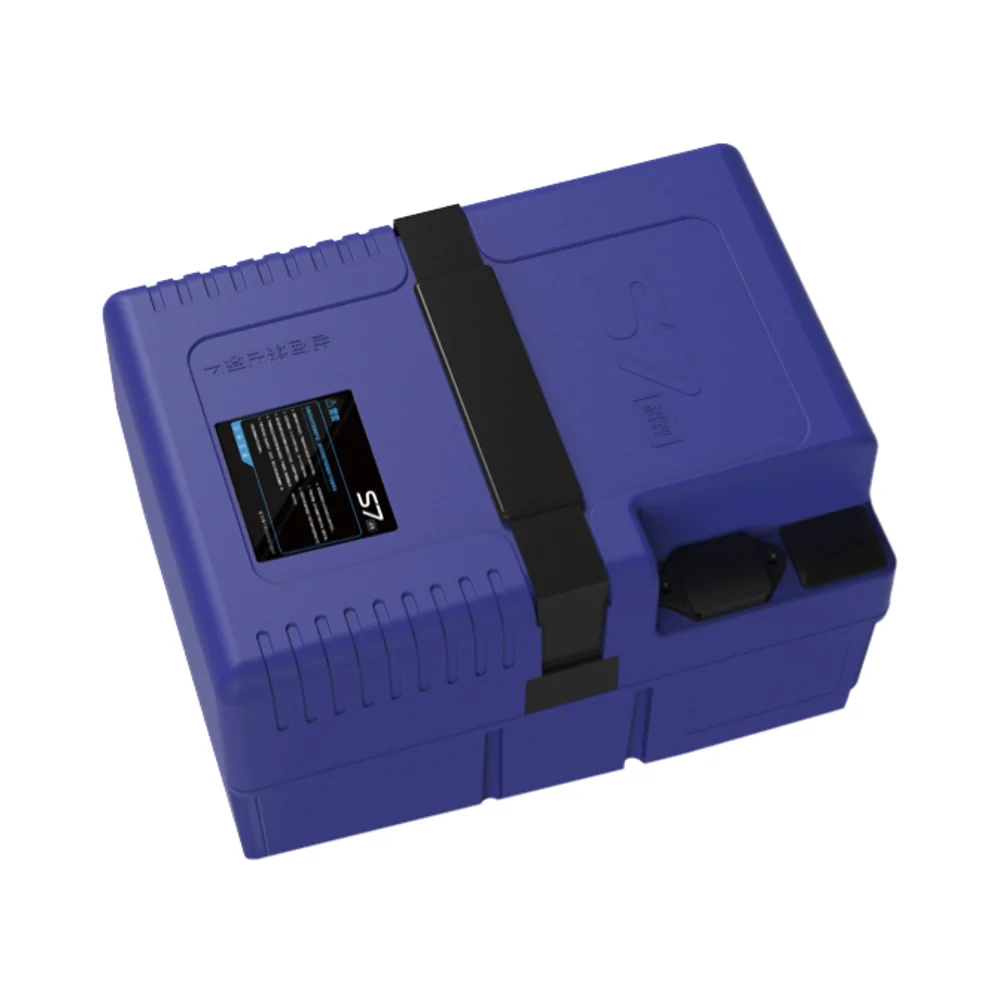
Temperature fluctuations significantly affect the performance and longevity of portable power stations, making understanding these impacts crucial for users who rely on these devices in various environmental conditions. Modern portable power stations utilize advanced lithium-ion battery technology that responds differently to temperature changes, directly influencing charging speed, discharge rates, and overall efficiency. Whether you're planning an outdoor adventure in freezing temperatures or working in hot climates, knowing how temperature affects your portable power station can help you maximize its performance and extend its operational life.
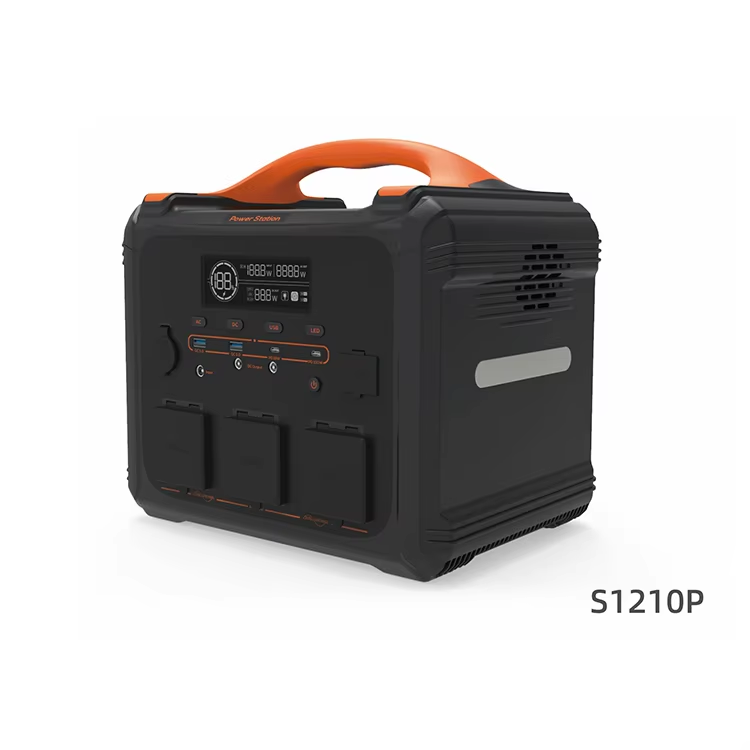
The relationship between temperature and battery performance is rooted in the fundamental chemistry of energy storage systems. Battery cells contain electrolytes that facilitate ion movement between positive and negative terminals during charging and discharging cycles. Temperature variations alter the viscosity and conductivity of these electrolytes, creating cascading effects throughout the entire power system. Professional users and outdoor enthusiasts must consider these thermal dynamics when selecting and operating their power solutions.
Lithium-ion batteries, the cornerstone of modern portable power stations, exhibit distinct performance characteristics across different temperature ranges. At optimal temperatures between 20°C to 25°C (68°F to 77°F), these batteries deliver maximum capacity and efficiency. The electrochemical reactions within the cells proceed at ideal rates, allowing for smooth ion transfer and minimal internal resistance. This temperature range enables portable power stations to achieve their rated capacity specifications and maintain stable voltage output throughout the discharge cycle.
When temperatures drop below the optimal range, lithium-ion cells experience increased internal resistance and reduced ionic conductivity. The electrolyte becomes more viscous, slowing down the movement of lithium ions between electrodes. This phenomenon results in decreased available capacity, slower charging rates, and reduced power output. Users may notice that their devices cannot deliver the same performance levels they expect during normal temperature conditions.
Elevated temperatures present different challenges for portable power station operation. While higher temperatures initially increase ionic conductivity and can temporarily boost performance, sustained exposure to heat accelerates chemical degradation processes within battery cells. Excessive heat causes electrolyte breakdown, electrode material deterioration, and potential thermal runaway scenarios in extreme cases.
Modern power stations incorporate sophisticated thermal management systems including temperature sensors, cooling fans, and automatic shutdown protocols to protect against overheating. These safety mechanisms may temporarily reduce performance or halt operation entirely when internal temperatures exceed safe thresholds. Understanding these protective features helps users appreciate why their devices might seem less powerful during hot weather conditions.
Cold weather presents significant challenges for portable power station operation, with capacity reductions becoming noticeable when ambient temperatures drop below 10°C (50°F). At freezing temperatures around 0°C (32°F), lithium-ion batteries typically retain only 70-80% of their rated capacity. This reduction occurs because lower temperatures slow down the chemical reactions necessary for energy storage and release, effectively limiting the amount of stored energy accessible to connected devices.
The capacity loss in cold conditions is generally reversible, meaning that warming the battery back to optimal temperatures restores full performance capabilities. However, repeated exposure to extreme cold without proper thermal management can accelerate long-term degradation processes. Users operating in consistently cold environments should consider insulation solutions and pre-warming strategies to maintain optimal performance levels.
Charging portable power stations in sub-zero temperatures requires special consideration due to the risk of lithium plating, a phenomenon where metallic lithium deposits form on the battery's negative electrode. This process occurs when lithium ions cannot properly intercalate into the electrode structure due to reduced ionic mobility in cold conditions. Lithium plating permanently reduces battery capacity and can create safety hazards including increased fire risk.
Most quality portable power stations include temperature-based charging controls that prevent charging when internal temperatures fall below safe thresholds, typically around 0°C (32°F). These protective systems may frustrate users who need to recharge their devices in cold conditions, but they serve a crucial role in maintaining battery safety and longevity. Understanding these limitations helps users plan appropriate charging strategies for cold weather operations.
Advanced portable power stations employ multiple thermal management technologies to maintain optimal operating temperatures across various environmental conditions. Active cooling systems using variable-speed fans automatically adjust airflow based on internal temperature readings, while passive heat dissipation through aluminum heat sinks and strategic ventilation channels help maintain stable thermal conditions. These integrated systems work continuously to prevent overheating while minimizing energy consumption devoted to temperature control.
Smart thermal management extends beyond simple cooling mechanisms to include predictive algorithms that adjust power output based on anticipated thermal loads. When connected devices draw high current, the system proactively increases cooling capacity to prevent temperature spikes. Similarly, during low-load conditions, thermal management systems reduce cooling efforts to maximize energy efficiency and extend operating time.
Proper placement and environmental management significantly impact portable power station thermal performance. Positioning devices in shaded areas during hot weather prevents direct solar heating that can elevate internal temperatures beyond optimal ranges. Ensuring adequate ventilation around intake and exhaust vents allows natural convection to supplement active cooling systems, reducing the energy required for thermal management.
In cold conditions, gradual warming techniques help restore full performance without shocking the battery system. Bringing cold devices into heated environments slowly allows internal components to reach optimal temperatures without creating condensation or thermal stress. Some users employ insulated storage solutions or heating pads designed specifically for battery warming in extreme cold conditions.
Summer usage of portable power stations requires proactive thermal management to prevent performance degradation and ensure device longevity. Users should avoid direct sunlight exposure and consider using reflective covers or shade structures when outdoor operation is necessary. Monitoring ambient temperatures and adjusting usage patterns during peak heat hours can prevent thermal stress on internal components.
High-demand applications like powering air conditioning units or refrigeration equipment generate additional internal heat that compounds with elevated ambient temperatures. During summer months, users should consider spreading high-power loads across multiple shorter sessions rather than sustained continuous operation to allow cooling periods between intensive usage cycles.
Winter operation requires different strategies focused on maintaining battery warmth and managing reduced capacity expectations. Pre-warming portable power stations before use helps maximize available capacity and ensures proper system startup in cold conditions. Insulation wraps or thermal blankets designed for battery systems can help maintain operating temperatures during extended cold exposure.
Users should adjust their capacity expectations during winter months, planning for 20-30% reduced performance in moderately cold conditions and potentially greater reductions in extreme cold. This planning includes bringing backup power sources or reducing power consumption to extend operating time when full capacity is not available.
Repeated exposure to temperature extremes accelerates battery aging processes and reduces overall cycle life in portable power stations. High temperatures increase the rate of electrolyte decomposition and electrode material breakdown, while thermal cycling between hot and cold conditions creates mechanical stress within battery cells. These factors combine to reduce the total number of charge-discharge cycles a battery can complete before reaching end-of-life capacity thresholds.
Research indicates that battery life decreases exponentially with sustained high-temperature exposure, with every 10°C increase in average operating temperature potentially halving the expected cycle life. Conversely, moderate cooling below room temperature can extend battery life, though the benefits diminish rapidly at very low temperatures due to reduced efficiency and potential cold-weather damage.
Long-term storage of portable power stations requires careful temperature management to preserve battery health during inactive periods. Ideal storage temperatures range from 15°C to 20°C (59°F to 68°F) with moderate humidity levels to minimize degradation processes. Extreme storage temperatures, either hot or cold, accelerate capacity loss even when devices remain unused.
Storage at partial charge levels, typically 40-60% capacity, combined with appropriate temperature control maximizes battery preservation during extended inactive periods. Regular temperature monitoring and occasional cycling help maintain optimal battery condition for users who store their portable power stations seasonally or for emergency preparedness purposes.
The optimal temperature range for portable power station operation is typically between 20°C to 25°C (68°F to 77°F). Within this range, lithium-ion batteries deliver maximum capacity, efficiency, and performance. Most devices will function acceptably in broader ranges from 0°C to 40°C (32°F to 104°F), but performance may be reduced at the temperature extremes. Operating outside these ranges may trigger protective systems that limit functionality to prevent damage.
Most portable power stations include safety systems that prevent charging when internal temperatures drop below 0°C (32°F) to protect against lithium plating damage. If you need to charge in cold conditions, first warm the device gradually to above freezing temperatures in a heated environment. Some advanced units offer low-temperature charging capabilities with reduced charging rates, but this feature varies by manufacturer and model.
Capacity loss in cold weather varies with temperature severity, but typical reductions range from 10-20% at moderately cold temperatures around 0°C (32°F) to 30-50% at extremely cold temperatures below -10°C (14°F). This capacity loss is generally reversible when the battery warms back to optimal temperatures. The exact reduction depends on your specific device model, battery chemistry, and the rate at which you draw power from the unit.
Modern portable power stations include multiple layers of thermal protection including automatic shutdowns, reduced power output, and increased cooling when overheating is detected. If your device overheats, it may temporarily stop charging or discharging, reduce maximum power output, or shut down completely until temperatures return to safe levels. These protective measures prevent permanent damage, but repeated overheating can accelerate battery degradation and reduce overall device lifespan.
 Hot News
Copyright © 2026 PHYLION Privacy policy
 EN
EN
 AR
AR
 NL
NL
 FR
FR
 DE
DE
 IT
IT
 JA
JA
 KO
KO
 NO
NO
 PL
PL
 PT
PT
 RO
RO
 RU
RU
 ES
ES
 SV
SV
 TL
TL
 IW
IW
 ID
ID
 SR
SR
 SK
SK
 UK
UK
 VI
VI
 TH
TH
 TR
TR
 AF
AF
 MS
MS
 GA
GA
 MK
MK
 KA
KA
 BN
BN
 LO
LO
 LA
LA
 MI
MI
 MR
MR
 MN
MN
 NE
NE
 SO
SO
 MG
MG
 UZ
UZ
 KU
KU