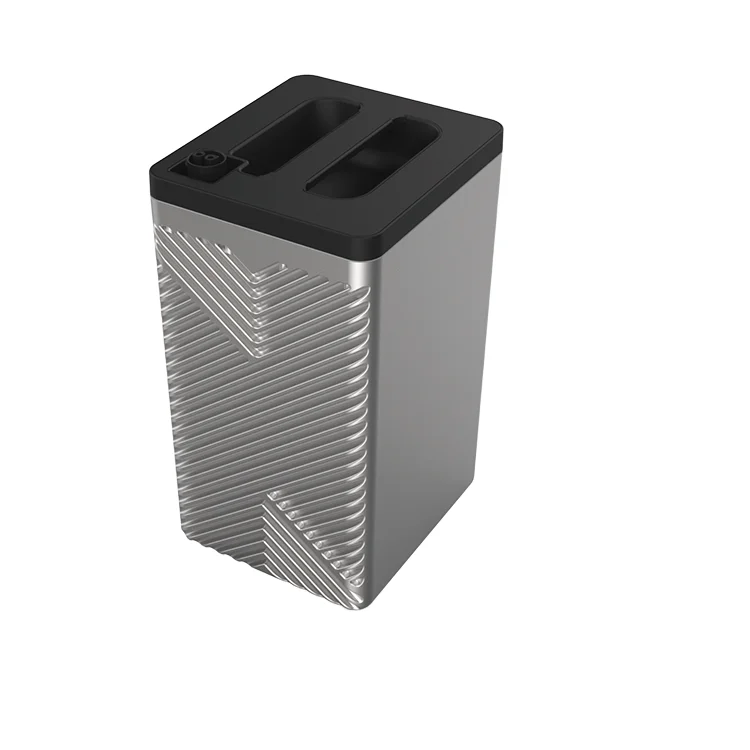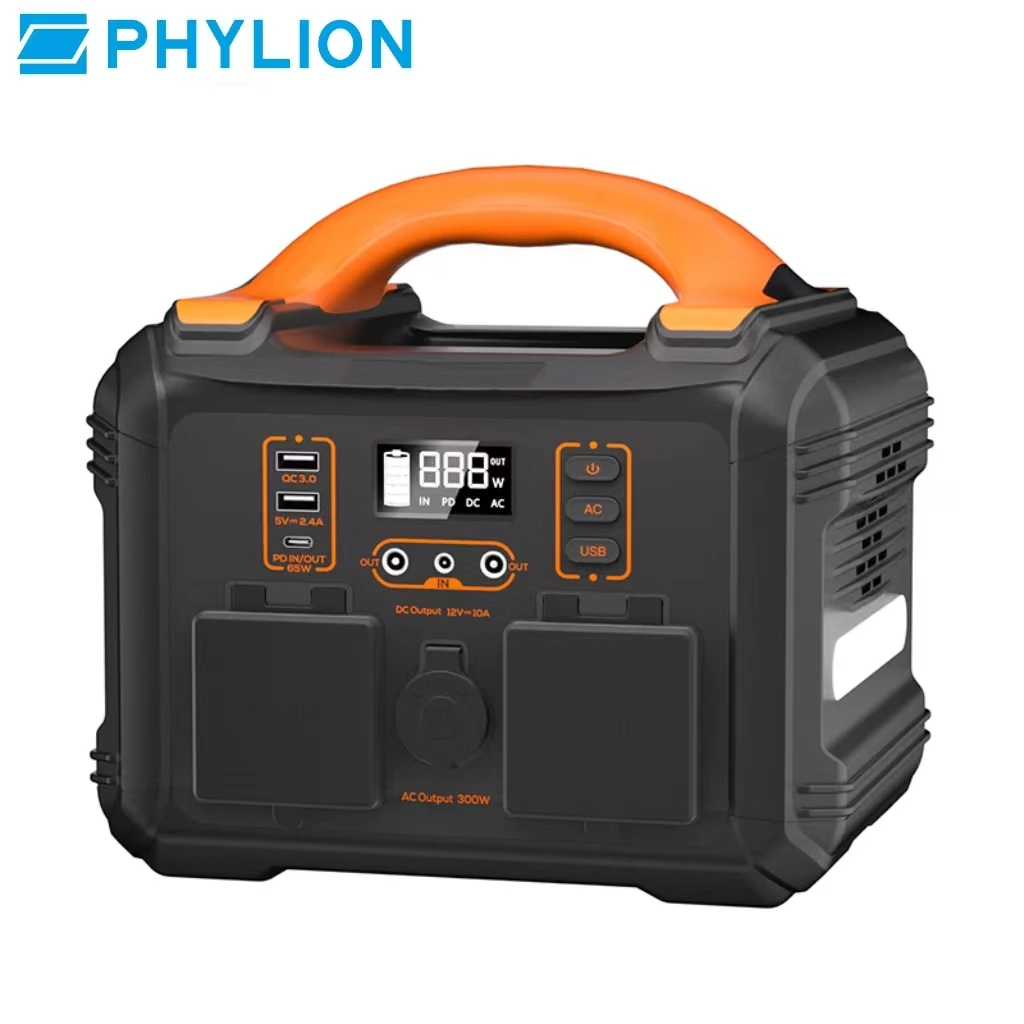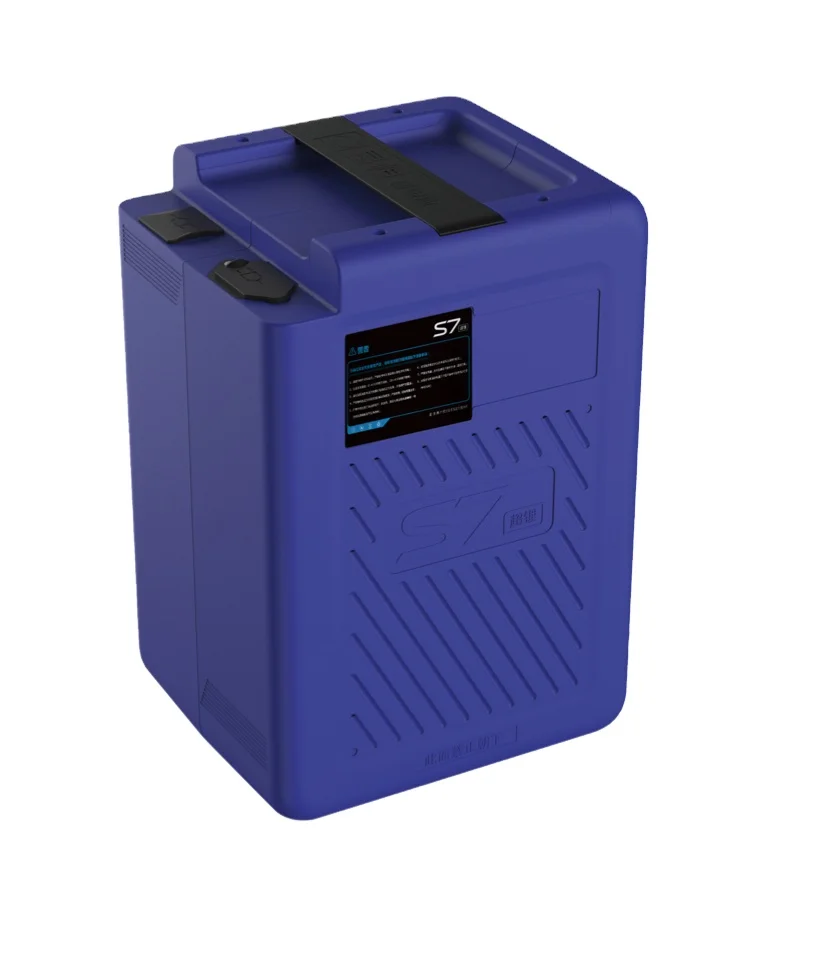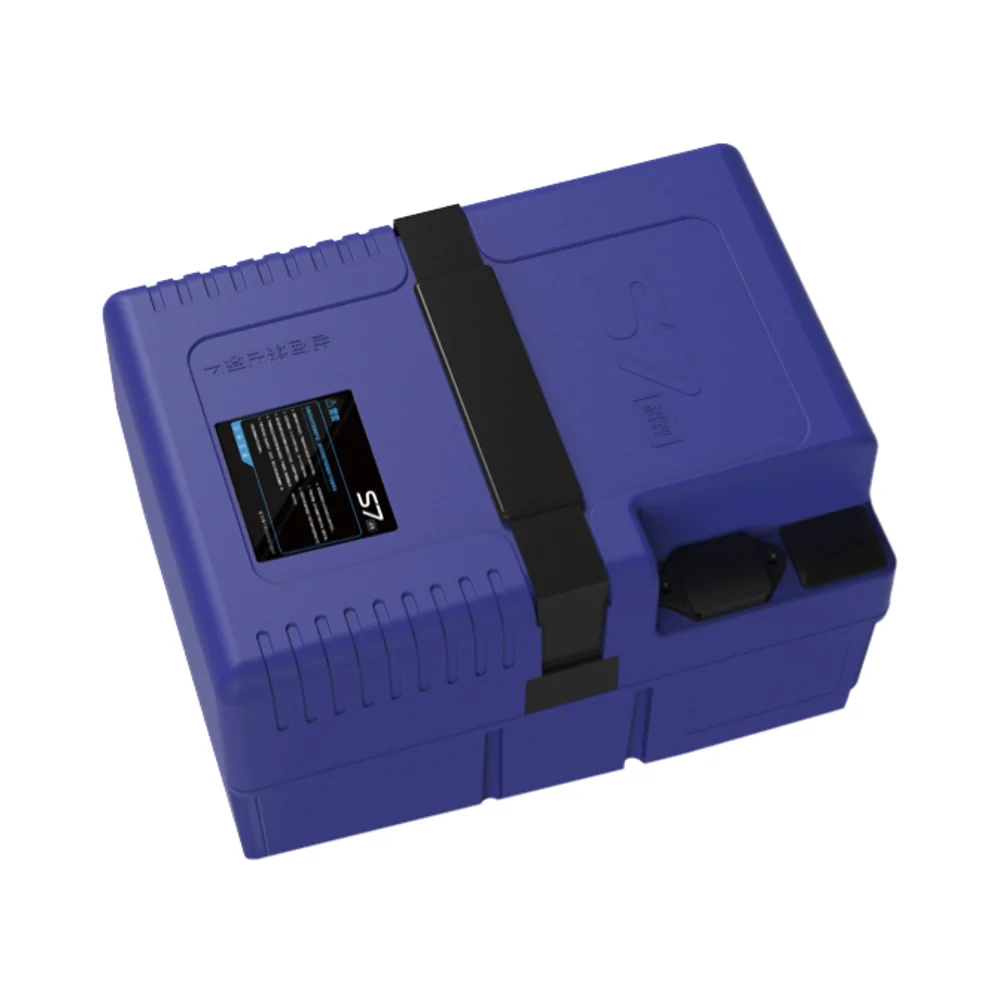
Modern residential and commercial energy storage systems have revolutionized how we manage power consumption, but proper maintenance remains crucial for optimal performance. Energy storage modules serve as the backbone of these systems, requiring systematic care to ensure longevity, safety, and efficiency. Understanding the maintenance requirements for these sophisticated components helps property owners maximize their investment while maintaining reliable backup power capabilities.
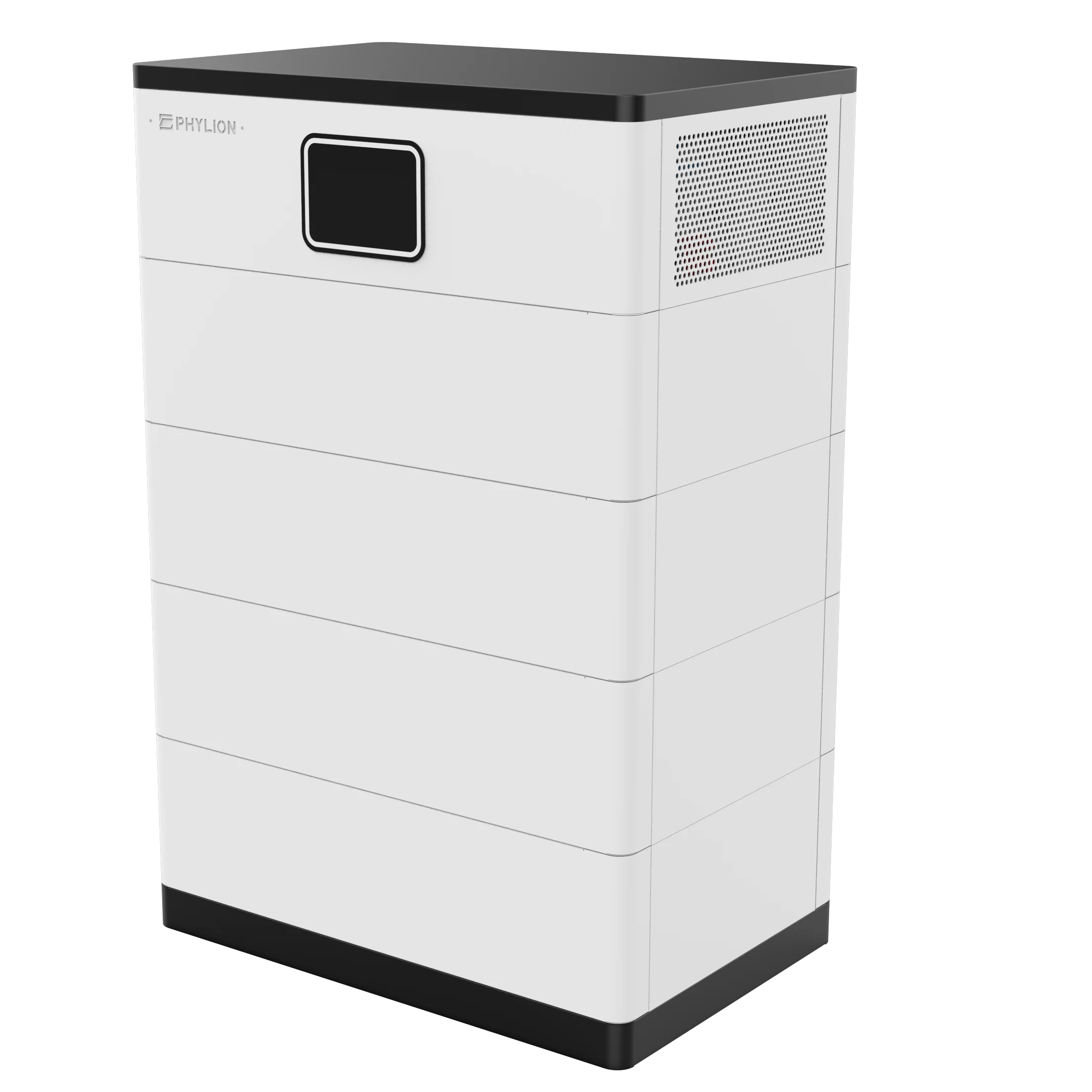
The complexity of contemporary energy storage technology demands a comprehensive approach to maintenance that encompasses both preventive and corrective measures. Battery chemistry, thermal management systems, and electronic control units all require specific attention to maintain peak operational status. Regular maintenance protocols not only extend the lifespan of energy storage modules but also prevent costly failures that could compromise entire energy management systems.
Regular voltage monitoring represents one of the most critical maintenance tasks for energy storage modules. Each individual cell within the battery pack requires consistent voltage levels to prevent overcharging or deep discharge conditions. Professional technicians use specialized equipment to measure cell voltages and identify any cells that deviate from the normal operating range. This process typically involves connecting diagnostic tools to the battery management system to access real-time cell data.
Cell balancing procedures help equalize charge levels across all cells within the module. When cells become unbalanced, some may reach full charge while others remain partially charged, reducing overall system capacity. Advanced battery management systems automatically perform passive or active balancing, but manual verification ensures the system operates correctly. Technicians monitor balancing currents and verify that the system maintains cell voltage differences within acceptable tolerances.
For certain types of energy storage modules, particularly those using liquid electrolytes, regular electrolyte level checks are essential. Low electrolyte levels can expose battery plates to air, causing permanent damage and capacity loss. Maintenance personnel must carefully inspect electrolyte levels in each cell, adding distilled water when necessary to maintain proper levels. This process requires following strict safety protocols due to the corrosive nature of battery electrolytes.
The specific gravity of electrolyte solutions also requires periodic testing to assess the state of charge and overall battery health. Hydrometers or refractometers measure electrolyte density, providing insights into the chemical condition of the battery cells. These measurements help identify cells that may be failing or experiencing capacity degradation, allowing for proactive replacement before system-wide failures occur.
Effective thermal management is crucial for maintaining optimal performance in energy storage modules, as excessive heat can significantly reduce battery lifespan and efficiency. Air-cooled systems require regular cleaning of intake filters and cooling fans to maintain adequate airflow. Dust accumulation on cooling components reduces heat transfer efficiency, potentially causing thermal runaway conditions in extreme cases. Maintenance schedules should include monthly filter inspections and quarterly deep cleaning procedures.
Liquid cooling systems demand more complex maintenance protocols, including coolant level checks, pump operation verification, and heat exchanger cleaning. Coolant degradation over time can reduce thermal transfer efficiency and potentially damage system components. Regular coolant analysis helps identify contamination or chemical breakdown that could compromise cooling effectiveness. Pump seals and gaskets also require periodic inspection to prevent coolant leaks that could damage electronic components.
Accurate temperature monitoring enables proper thermal management system operation and prevents dangerous overheating conditions. Temperature sensors throughout the energy storage module require regular calibration to ensure accurate readings. Drift in sensor accuracy can lead to improper cooling system activation or inadequate thermal protection. Calibration procedures involve comparing sensor readings to certified reference thermometers and adjusting sensor outputs accordingly.
Thermal protection systems rely on precise temperature data to activate safety measures when operating temperatures exceed safe limits. Faulty temperature sensors could prevent proper system shutdown during thermal events, potentially causing catastrophic failures. Regular sensor testing verifies that emergency shutdown systems will activate correctly, protecting both equipment and personnel from thermal hazards.
Modern energy storage modules incorporate sophisticated electronic control systems that require regular software maintenance to ensure optimal performance. Firmware updates often include performance improvements, bug fixes, and enhanced safety features that improve overall system reliability. Maintenance technicians must carefully plan firmware updates to minimize system downtime while ensuring compatibility with existing hardware components.
Configuration backup procedures protect critical system settings and operational parameters from loss during software updates or hardware failures. Regular backups enable quick system restoration in case of electronic failures, minimizing downtime and maintaining system availability. These backups should include all custom settings, calibration data, and operational history to facilitate complete system recovery when necessary.
Energy storage modules typically communicate with external monitoring systems, inverters, and grid management equipment through various communication protocols. Regular testing of these communication interfaces ensures proper data exchange and system coordination. Communication failures can prevent proper system operation and may cause energy storage modules to operate in isolation from broader energy management systems.
Network connectivity issues can arise from cable degradation, connector corrosion, or electromagnetic interference from nearby equipment. Systematic testing of communication links helps identify and resolve connectivity problems before they impact system operation. This includes verifying data transmission rates, error rates, and response times to ensure reliable communication with all connected systems.
The physical enclosure protecting energy storage modules requires regular inspection and maintenance to ensure continued environmental protection. Weather seals, gaskets, and door mechanisms must remain functional to prevent moisture intrusion that could damage sensitive electronic components. Visual inspections should identify any signs of corrosion, cracking, or degradation that could compromise enclosure integrity.
Ventilation systems within equipment enclosures require regular cleaning and inspection to maintain proper airflow. Blocked vents or damaged louvers can create hot spots that reduce system performance and reliability. Maintenance procedures should include cleaning ventilation openings, inspecting dampers and actuators, and verifying that environmental control systems maintain appropriate internal conditions.
Electrical connections throughout energy storage modules experience thermal cycling and mechanical stress that can cause loosening or degradation over time. Regular torque verification of all electrical connections helps prevent high-resistance joints that generate heat and reduce system efficiency. Thermal imaging inspections can identify developing connection problems before they cause system failures.
Corrosion at electrical connections poses a significant threat to system reliability, particularly in harsh environmental conditions. Anti-corrosion treatments and protective coatings require periodic renewal to maintain their effectiveness. Connection points should be inspected for signs of oxidation, pitting, or other forms of degradation that could increase electrical resistance or cause connection failure.
Professional maintenance schedules for energy storage modules typically range from quarterly to annually, depending on system type, environmental conditions, and manufacturer recommendations. Critical systems may require monthly inspections, while residential installations often need bi-annual professional servicing. Daily monitoring through automated systems supplements scheduled maintenance to identify issues between service visits.
Safety protocols for energy storage module maintenance include proper personal protective equipment, lockout/tagout procedures, and adherence to electrical safety standards. Technicians must be trained in high-voltage safety procedures and emergency response protocols. Arc flash analysis and appropriate safety boundaries must be established before beginning any maintenance work on energized systems.
Basic maintenance tasks like visual inspections, cleaning, and data logging can be performed by trained facility personnel, but complex procedures require certified technicians. Manufacturers typically specify which maintenance activities can be performed by end users versus those requiring professional service. Proper training and certification ensure maintenance quality while maintaining warranty coverage.
Warning signs requiring immediate maintenance include unusual noises, visible damage, abnormal temperature readings, capacity degradation, or error messages from monitoring systems. Electrolyte leakage, swollen battery cases, or burnt odors indicate serious problems requiring immediate professional attention. Regular monitoring helps identify these issues before they cause system failures or safety hazards.
 Hot News
Copyright © 2026 PHYLION Privacy policy
 EN
EN
 AR
AR
 NL
NL
 FR
FR
 DE
DE
 IT
IT
 JA
JA
 KO
KO
 NO
NO
 PL
PL
 PT
PT
 RO
RO
 RU
RU
 ES
ES
 SV
SV
 TL
TL
 IW
IW
 ID
ID
 SR
SR
 SK
SK
 UK
UK
 VI
VI
 TH
TH
 TR
TR
 AF
AF
 MS
MS
 GA
GA
 MK
MK
 KA
KA
 BN
BN
 LO
LO
 LA
LA
 MI
MI
 MR
MR
 MN
MN
 NE
NE
 SO
SO
 MG
MG
 UZ
UZ
 KU
KU